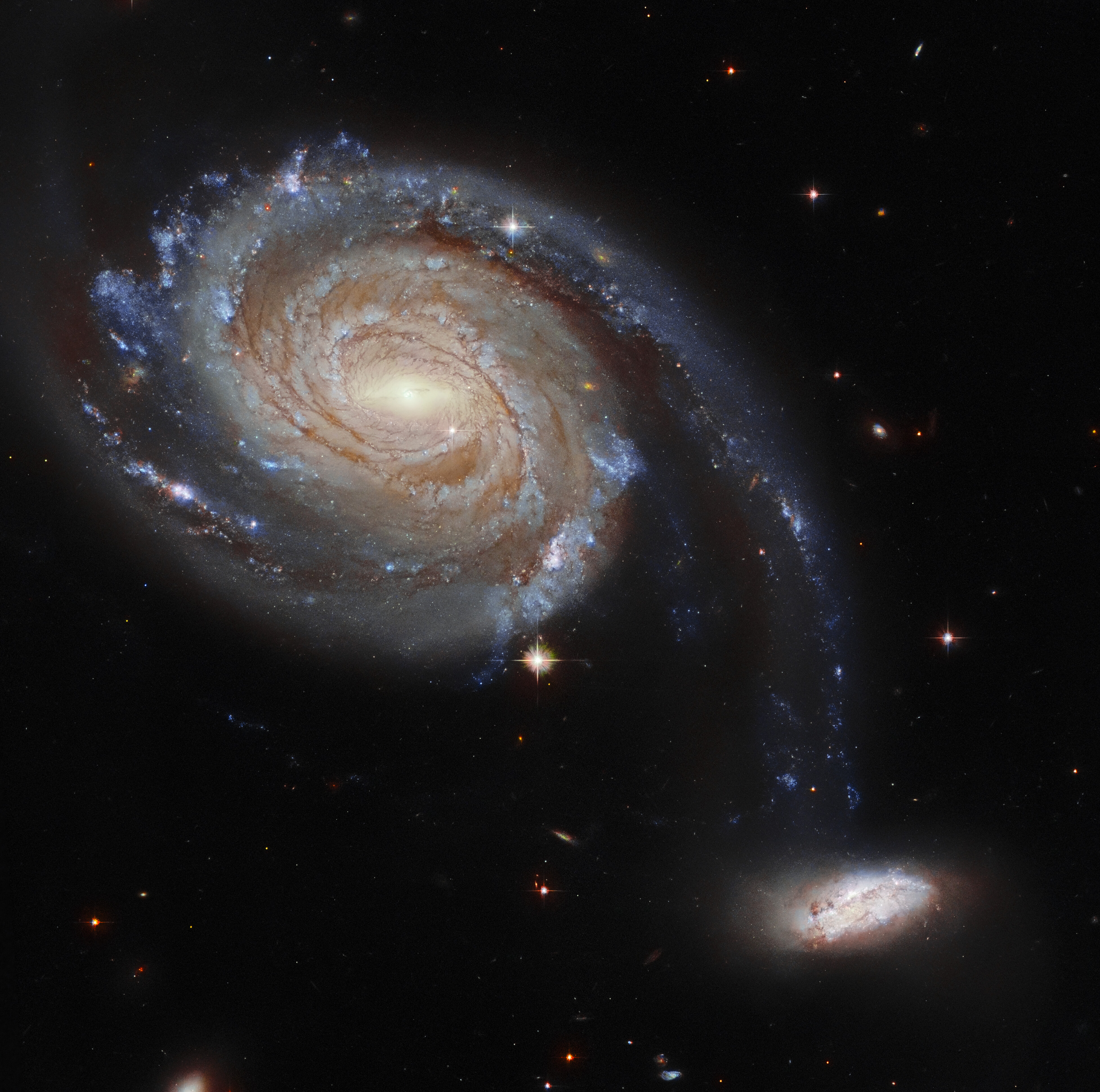
NASA's James Webb Space Telescope has captured a detailed image of the starburst galaxy Centaurus A, revealing its complex dusty structures [1].
The new imagery allows astronomers to study the growth and evolution of galaxies and black holes by exposing activity typically hidden from view [1, 3].
Captured July 6, 2026, the image was produced using the telescope's Mid-Infrared Instrument, known as MIRI [1]. The instrument's ability to peer through cosmic dust provides a clearer look at the internal mechanics of this unusual system [1].
Centaurus A is located approximately 11 million light-years from Earth [1, 3]. While some reports place the distance at 12 million light-years [2], the closer estimate is widely cited by researchers.
"Centaurus A is 11 million light-years away from Earth, relatively close in cosmic terms," Dr. Emily Carter said [3].
The galaxy is categorized as one of the closest active galaxies to Earth [2]. Because of this proximity, it serves as a primary target for studying how galactic collisions, and active galactic nuclei shape the universe. The MIRI data specifically highlights the environment that drives the starburst activity within the galaxy [1].
Phys.org said the image exposes the hidden activity that shapes the system [1]. This detailed view provides a benchmark for comparing Centaurus A to more distant galaxies that lack the same level of observational clarity.
“"Centaurus A is 11 million light-years away from Earth, relatively close in cosmic terms,"”
The ability to observe Centaurus A in the mid-infrared spectrum allows scientists to bypass the obscuring effects of interstellar dust. By analyzing the interaction between the galaxy's central black hole and its star-forming regions, researchers can better understand the feedback loops that regulate galaxy growth across the observable universe.


