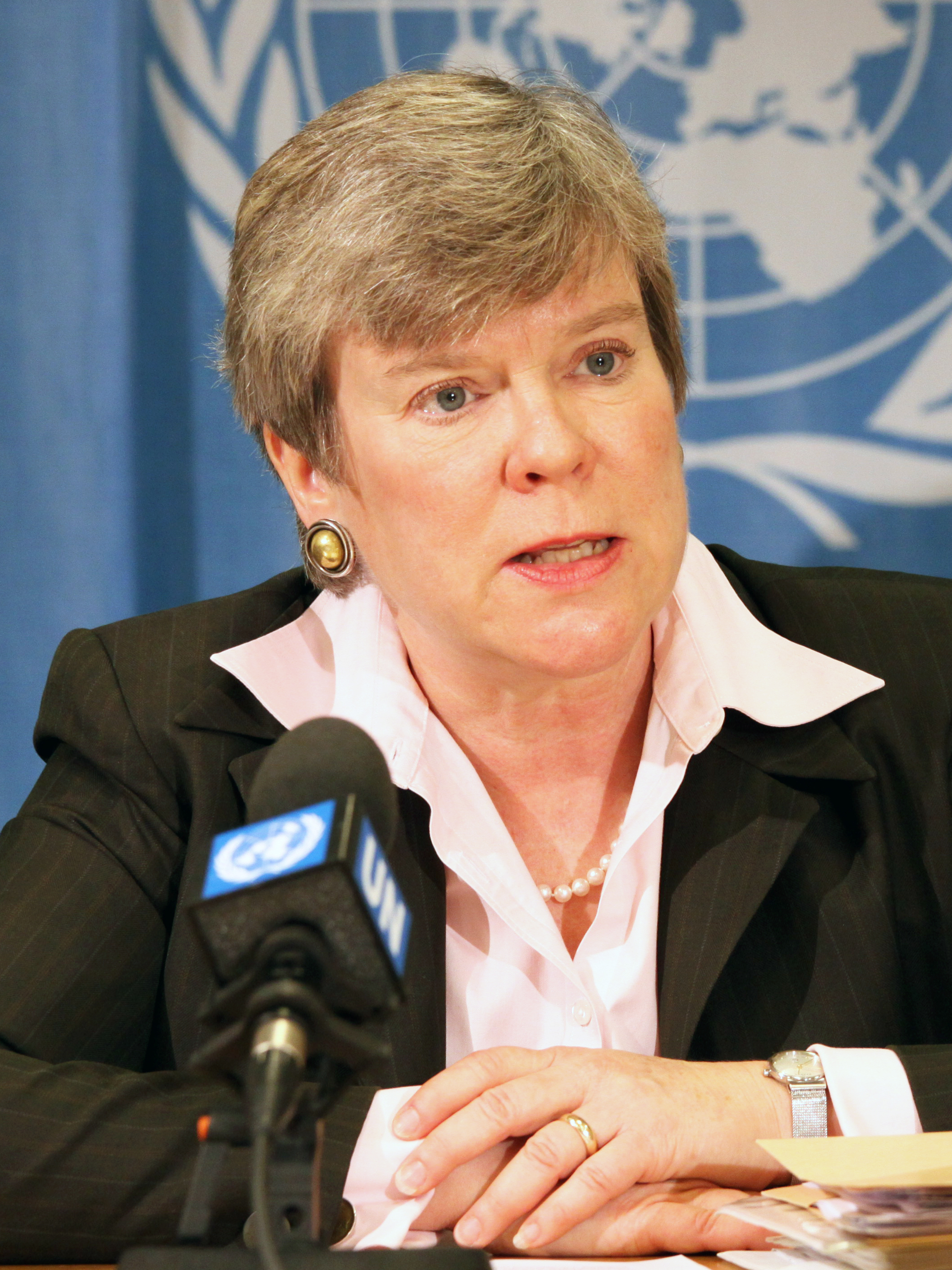
U.S. Vice President JD Vance announced the establishment of a mechanism to keep the Strait of Hormuz open following talks in Switzerland.
This development is critical for global energy security, as the strait is a primary transit point for oil and gas. Any disruption to the waterway could trigger significant spikes in global energy prices and destabilize regional trade.
The announcement followed meetings at the Bürgenstock resort in Switzerland [2]. Vance said the goal of the mechanism is to ensure freedom of navigation and resolve regional conflicts through diplomatic channels [2], [4]. He said that the accessibility of the waterway is a non-negotiable requirement for the U.S.
"We need to see the Strait of Hormuz fully open, and that is our condition," Vance said [4].
Beyond maritime security, the discussions focused on Iran's nuclear ambitions. Vance said he was confident in the diplomatic progress made during the talks, specifically regarding the proliferation of weapons of mass destruction.
"We are very optimistic about Iran's agreement not to develop a nuclear weapon," Vance said [3].
While the specific technical details of the mechanism were not disclosed, the vice president said, "We have put in place a mechanism to keep the Strait of Hormuz open" [2]. The agreement is presented as a step toward easing long-standing tensions between Washington and Tehran.
The talks at Bürgenstock represent a strategic shift in attempting to stabilize the Persian Gulf through direct negotiation, rather than purely through sanctions or military deterrence.
“"We need to see the Strait of Hormuz fully open, and that is our condition."”
The creation of a formal mechanism to keep the Strait of Hormuz open suggests a pragmatic attempt by the U.S. administration to decouple global energy stability from the broader, more complex nuclear negotiations with Iran. By securing a commitment to maritime freedom and a pledge against nuclear weaponization, the U.S. aims to mitigate the risk of a sudden economic shock while maintaining diplomatic pressure on Tehran.
'%2F%3E%0A%20%20%20%20%3Crect%20width%3D'1600'%20height%3D'900'%20fill%3D'url(%23v)'%2F%3E%0A%20%20%20%20%3Cg%20opacity%3D'0.08'%20fill%3D'%23ffffff'%3E%0A%20%20%20%20%20%20%3Ccircle%20cx%3D'1420'%20cy%3D'180'%20r%3D'220'%2F%3E%0A%20%20%20%20%20%20%3Ccircle%20cx%3D'1500'%20cy%3D'760'%20r%3D'120'%2F%3E%0A%20%20%20%20%3C%2Fg%3E%0A%20%20%20%20%3Cline%20x1%3D'80'%20y1%3D'172'%20x2%3D'220'%20y2%3D'172'%20stroke%3D'%23ffffff'%20stroke-width%3D'3'%20stroke-opacity%3D'0.6'%2F%3E%0A%20%20%20%20%3Ctext%20x%3D'80'%20y%3D'140'%20font-family%3D'Inter%2C%20-apple-system%2C%20Helvetica%2C%20sans-serif'%20font-weight%3D'700'%20font-size%3D'28'%20fill%3D'%23ffffff'%20letter-spacing%3D'6'%3EHANNA%20%C2%B7%20NEWS%3C%2Ftext%3E%0A%20%20%20%20%3Ctext%20x%3D'80'%20y%3D'230'%20font-family%3D'Inter%2C%20-apple-system%2C%20Helvetica%2C%20sans-serif'%20font-weight%3D'600'%20font-size%3D'40'%20fill%3D'%23ffffffb3'%20letter-spacing%3D'4'%3EWORLD%3C%2Ftext%3E%0A%20%20%20%20%3Ctext%20x%3D'80'%20y%3D'622'%20font-family%3D'Playfair%20Display%2C%20Georgia%2C%20serif'%20font-weight%3D'800'%20font-size%3D'86'%20fill%3D'%23ffffff'%20letter-spacing%3D'-1'%3EUK%20Telecoms%20Launch%20Remote%3C%2Ftext%3E%3Ctext%20x%3D'80'%20y%3D'721'%20font-family%3D'Playfair%20Display%2C%20Georgia%2C%20serif'%20font-weight%3D'800'%20font-size%3D'86'%20fill%3D'%23ffffff'%20letter-spacing%3D'-1'%3EKill%20Switch%20for%20Stolen%3C%2Ftext%3E%3Ctext%20x%3D'80'%20y%3D'820'%20font-family%3D'Playfair%20Display%2C%20Georgia%2C%20serif'%20font-weight%3D'800'%20font-size%3D'86'%20fill%3D'%23ffffff'%20letter-spacing%3D'-1'%3ESmartphones%3C%2Ftext%3E%0A%20%20%20%20%3Ctext%20x%3D'80'%20y%3D'870'%20font-family%3D'Inter%2C%20-apple-system%2C%20Helvetica%2C%20sans-serif'%20font-weight%3D'500'%20font-size%3D'22'%20fill%3D'%23ffffff66'%20letter-spacing%3D'2'%3Enews.hanna-ai.com%3C%2Ftext%3E%0A%20%20%3C%2Fsvg%3E)

