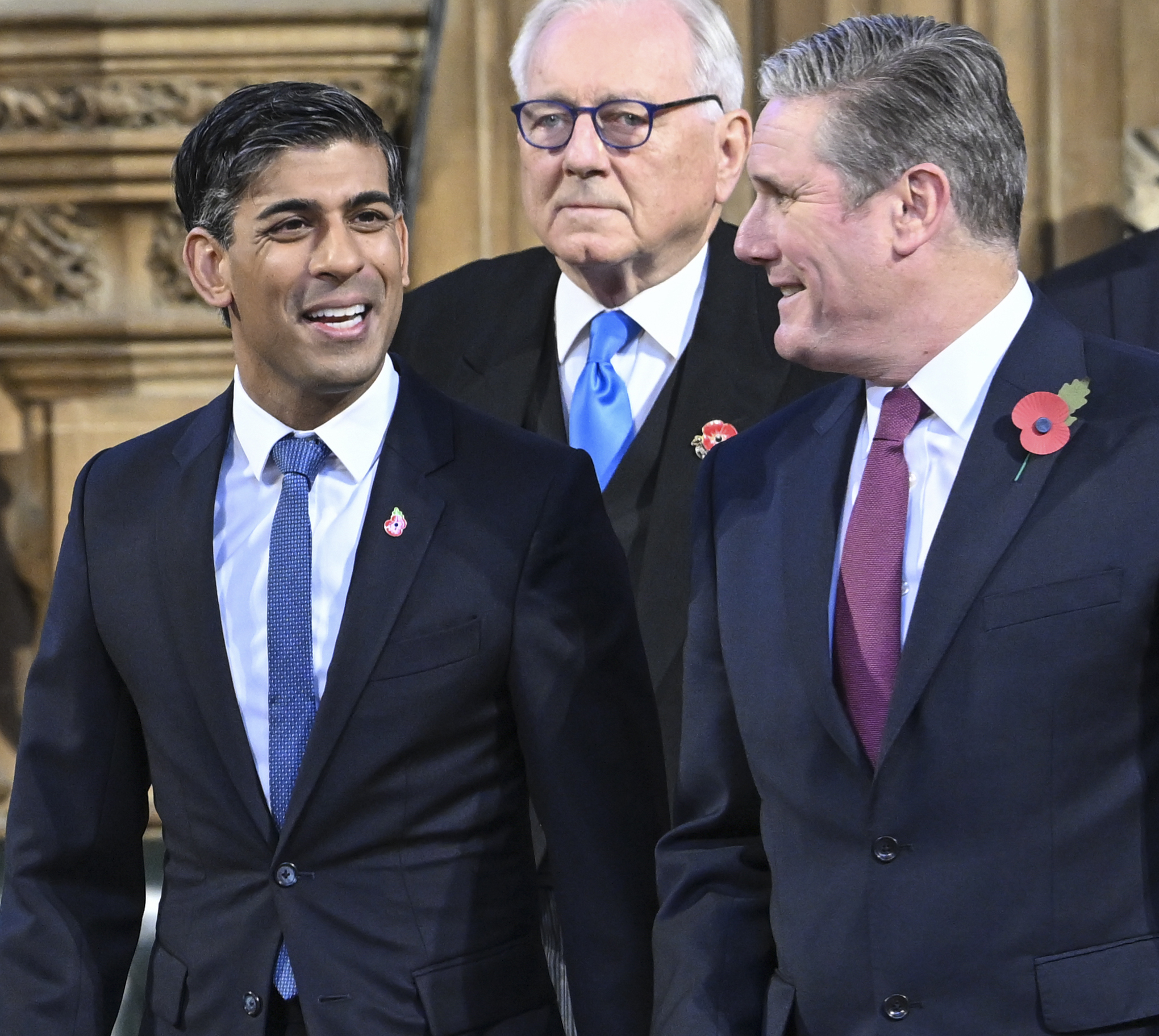
UK Prime Minister Keir Starmer is facing pressure from within the Labour Party to resign or confront a leadership challenge [1, 2, 3].
The instability threatens the leadership of the UK government as internal party dissent grows following a series of electoral setbacks and high-level resignations.
The current crisis intensified after a special election on Friday [1]. The pressure stems from a major defeat in recent local elections and the resignation of a senior cabinet minister [3, 4, 5]. These events have led growing numbers of Labour MPs to call for Starmer's replacement [3, 6].
Andy Burnham has emerged as a primary challenger after winning a parliamentary seat [1, 3]. The political climate in London has become volatile as the Prime Minister's office navigates these internal demands [3].
There are conflicting reports regarding the timeline for a resolution. One report indicated that Starmer could make a decision as early as Monday [1]. However, Starmer said Tuesday that he wants to continue governing [3].
This instability follows a pattern of friction within the party that began earlier this year. On May 18, 2026, the Prime Minister's deputy said that Starmer would not set out a timetable to quit [3]. Despite those assurances, a minister said this week that Starmer is considering political realities [1].
“UK Prime Minister Keir Starmer is facing pressure from within the Labour Party to resign”
The mounting pressure on Keir Starmer represents a critical juncture for the Labour Party. The combination of local election losses and the rise of Andy Burnham suggests a shift in internal power dynamics, where the party's appetite for Starmer's specific leadership style is waning in favor of a new direction to regain electoral momentum.


