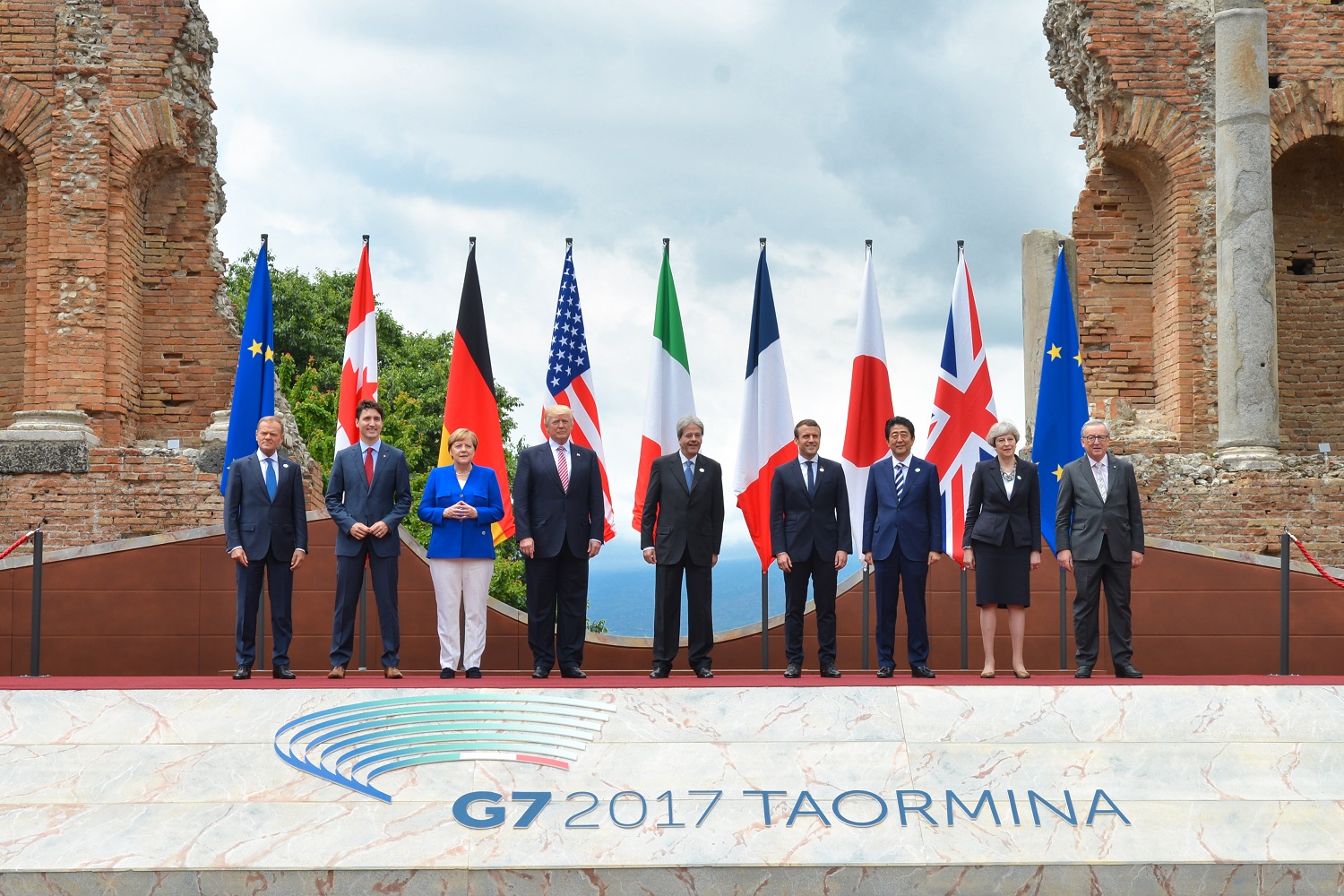
A brief interaction between U.S. President Donald Trump and Ukrainian President Volodymyr Zelensky at the G7 summit in France sparked widespread online debate [1].
The encounter carries significant weight due to the ongoing Ukraine-Russia war and President Trump's public positions on the conflict. His calls for Russia to negotiate a peace deal with Ukraine have created tension and speculation regarding the diplomatic tone between the two leaders [3].
The event took place during the G7 summit held in early June 2024 in Évian-les-Bains [2, 4]. While a short video of the two men together went viral, other reports indicate that the interaction was not a substantive meeting. Some accounts state that both Trump and Zelensky left the summit early and did not meet as originally planned [2, 5].
This discrepancy between the viral footage and the official schedule has led to conflicting interpretations of the leaders' relationship. The viral moment provides a glimpse of their physical interaction, but it contrasts with reports of a fragmented schedule and early exits [2, 5].
Other G7 activities continued amid these diplomatic tensions. Prime Minister Mark Carney announced more than $4 billion [6] in funding for Ukraine as the summit concluded. Carney said the summit involved very frank exchanges among the participating leaders [2].
The focus on the brief encounter underscores the global attention on any direct communication between Trump and Zelensky. Because the U.S. provides critical support to Kyiv, the nature of their relationship remains a focal point for international observers [3].
“A brief interaction between U.S. President Donald Trump and Ukrainian President Volodymyr Zelensky at the G7 summit in France sparked widespread online debate.”
The tension between viral social media clips and official diplomatic reports highlights the volatility of the US-Ukraine relationship. While brief visual interactions can be interpreted as breakthroughs or breakthroughs-in-waiting, the reported early departures suggest a lack of formal alignment on the conflict's resolution.


