President Donald Trump (R-FL) said he would blame JD Vance if a forthcoming nuclear agreement with Iran does not work out.
The comment comes as the U.S. prepares to finalize a diplomatic arrangement that could shift the geopolitical landscape of the Middle East. By framing the potential failure as the responsibility of his running mate, Trump used humor to manage expectations surrounding the high-stakes negotiations.
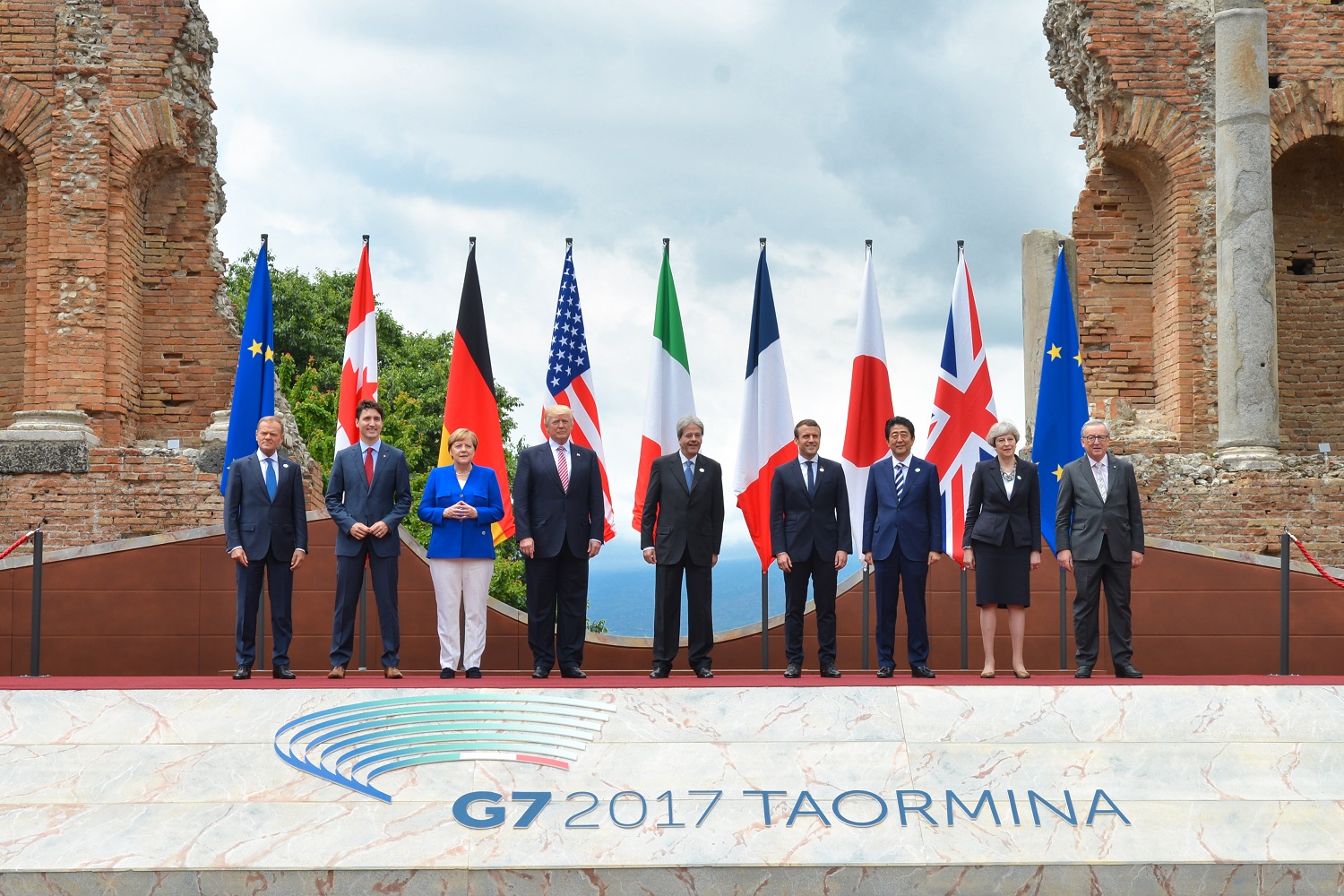
Trump spoke during a news conference in Europe as the G7 summit concluded last Wednesday, June 12 [1]. The remarks occurred shortly before the scheduled signing of the agreement in Switzerland [1]. During the event, Trump said the arrangement was a “historic agreement with Iran” [2].
While promoting the deal, Trump shifted the risk of failure onto Vance. “If the agreement doesn’t work out, I’m blaming JD,” Trump said [3]. He repeated the sentiment, saying, “I’m blaming JD” [4].
The Iran-U.S. agreement was scheduled to be signed on Friday, June 14 [5]. The nature of the deal has been described by some reports as a historic agreement [2], while other accounts characterized it as a preliminary deal [6].
Trump's approach of using humor during the G7 summit served as a public-facing strategy to project confidence in the deal while simultaneously creating a political buffer. The signing in Switzerland represents a critical step in the administration's foreign policy goals regarding Iranian nuclear capabilities.
JD Vance's role in the negotiations remains a point of focus as the administration moves toward the formalization of the text. The outcome of the Friday signing will determine whether the administration can claim a diplomatic victory or if the promised blame will be assigned [5].
““If the agreement doesn’t work out, I’m blaming JD.””
This exchange highlights a strategic use of humor to mitigate political risk. By preemptively assigning blame to a subordinate or partner, a leader can maintain an image of personal success regardless of the actual outcome of a policy. In the context of nuclear diplomacy, this approach may signal a desire to project strength and confidence to international partners while insulating the presidency from the fallout of a failed negotiation.


