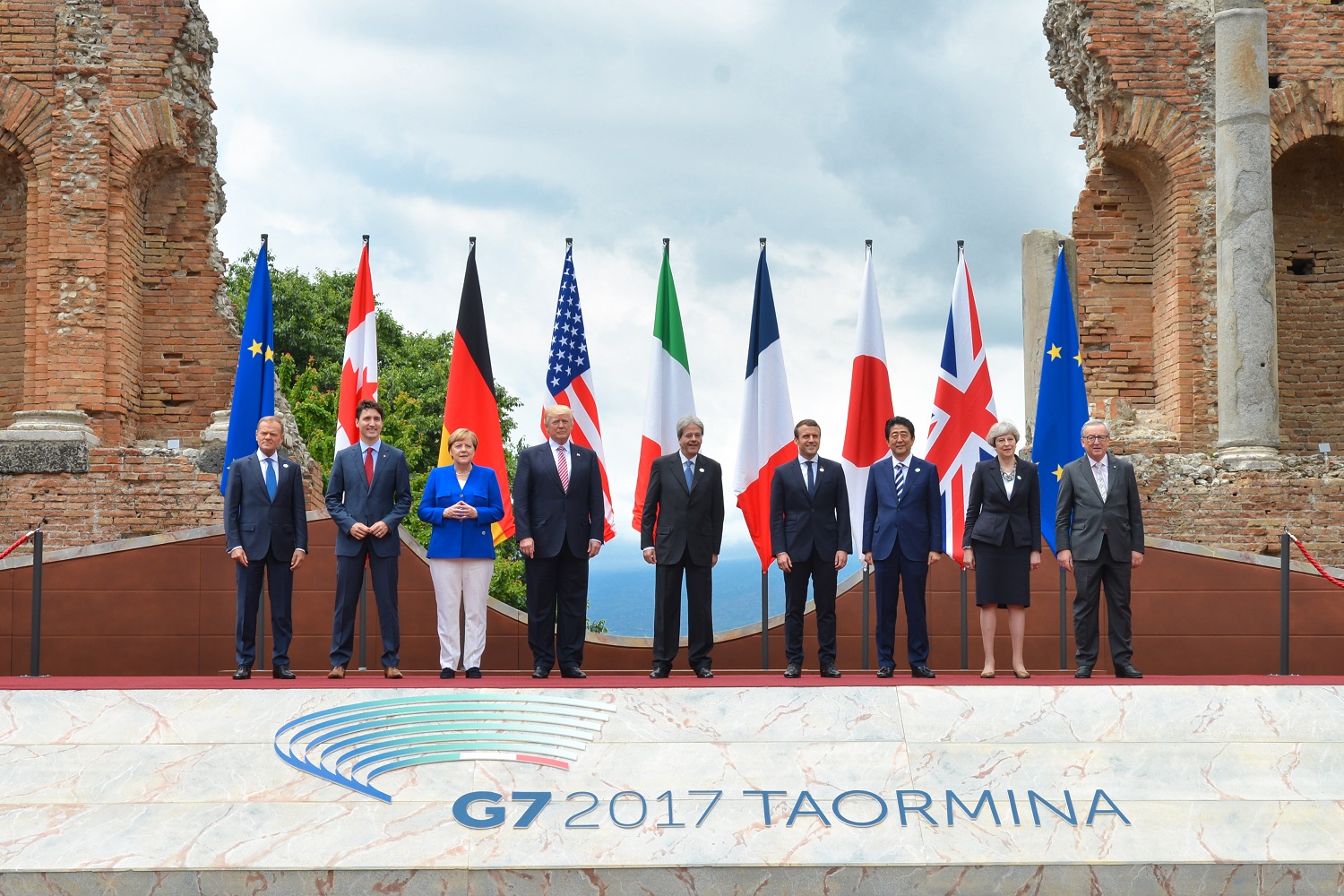
President Donald Trump said Israeli Prime Minister Benjamin Netanyahu should be more responsible with respect to Lebanon during the G7 summit in Évian, France [1].
The remarks signal a potential shift in the U.S. approach to Middle East stability, as the president linked Israeli military conduct directly to the viability of a peace agreement with Iran [2].
Speaking Tuesday at the summit, Trump said he was dissatisfied with the current state of affairs. "I'm not happy with the way Israel has handled themselves with Lebanon and with Hezbollah," Trump said [3].
Trump suggested a strategic shift in the region, proposing that Syria be allowed to fight Hezbollah instead of Israel continuing its current course [1]. He said that the actions taken by Israel in Lebanon could jeopardize the U.S.-Iran peace deal [5].
Despite the criticism of Israeli policy, Trump said his personal connection with the Israeli leader remains strong. "I have a great relationship with Israeli Prime Minister Benjamin Netanyahu," Trump said [6].
The president's call for Netanyahu to be more responsible comes amid escalating tensions involving Hezbollah and the Lebanese border [1]. The warning emphasizes a desire for regional containment to protect broader diplomatic objectives with Tehran [5].
“"I'm not happy with the way Israel has handled themselves with Lebanon and with Hezbollah."”
This public critique suggests that the U.S. administration views the U.S.-Iran peace process as a higher strategic priority than Israel's current tactical objectives in Lebanon. By suggesting Syria take a lead in fighting Hezbollah, Trump is attempting to decouple Israeli military action from a broader regional escalation that could collapse diplomatic breakthroughs with Iran.


