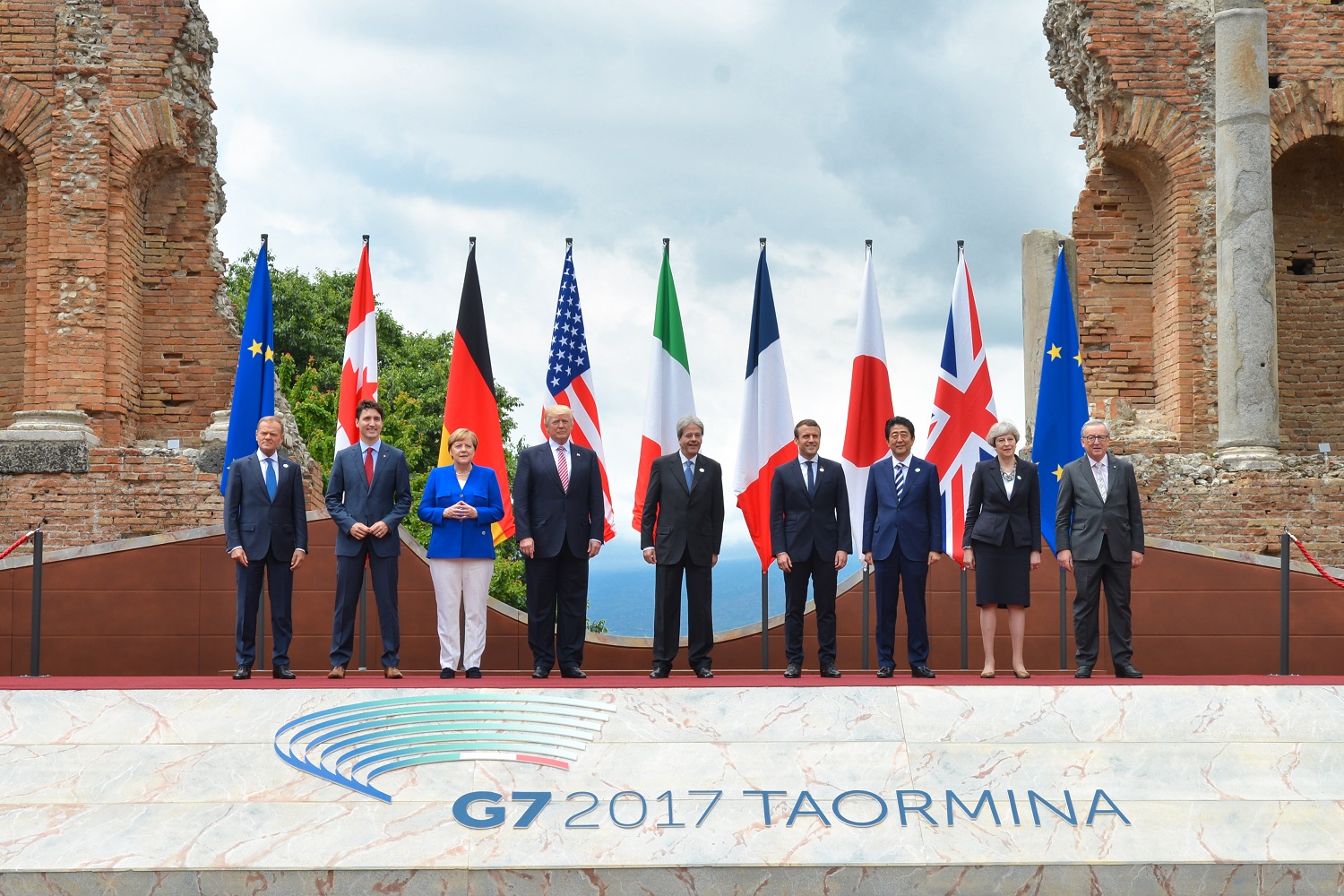
U.S. President Donald Trump and Indian Prime Minister Narendra Modi exchanged a brief handshake Wednesday at the G7 summit [1, 2].
The meeting marks a critical diplomatic touchpoint as both nations seek to coordinate responses to the escalating crisis in West Asia. Their cooperation is essential for maintaining global economic growth, and ensuring energy security during a period of heightened geopolitical volatility [1, 3].
This encounter is the first in-person meeting between Modi and Trump in 16 months [1]. The two leaders are scheduled for a bilateral meeting lasting 45 minutes [1]. The agenda for the talks focuses on the West Asia crisis, energy security, and strategies to support global economic growth [1, 2].
Reports on the atmosphere of the interaction vary. Some accounts describe a sense of cautious optimism [1], while others suggest the meeting occurs amid mounting tensions [2].
Separate from the bilateral talks, Trump addressed the conflict in West Asia. Regarding Israeli leadership, Trump said Netanyahu "has to be more responsible" [4].
The summit has taken place from June 15 to 17, 2026 [3, 5]. However, reports on the summit's location are contradictory. Some sources place the event in Evian, France [1], while other reports state the summit is being held in Kananaskis, Canada [5].
Both leaders are expected to use the remaining time at the summit to align their foreign policy objectives before the event concludes on Wednesday [3, 5].
“The two leaders are scheduled for a bilateral meeting lasting 45 minutes.”
The brief nature of the meeting and the conflicting reports regarding the tone of the interaction suggest a complex relationship between the U.S. and India. While the focus on energy security and West Asia indicates a shared strategic interest, the tension underscores the difficulty of aligning two distinct national agendas during a global crisis.


