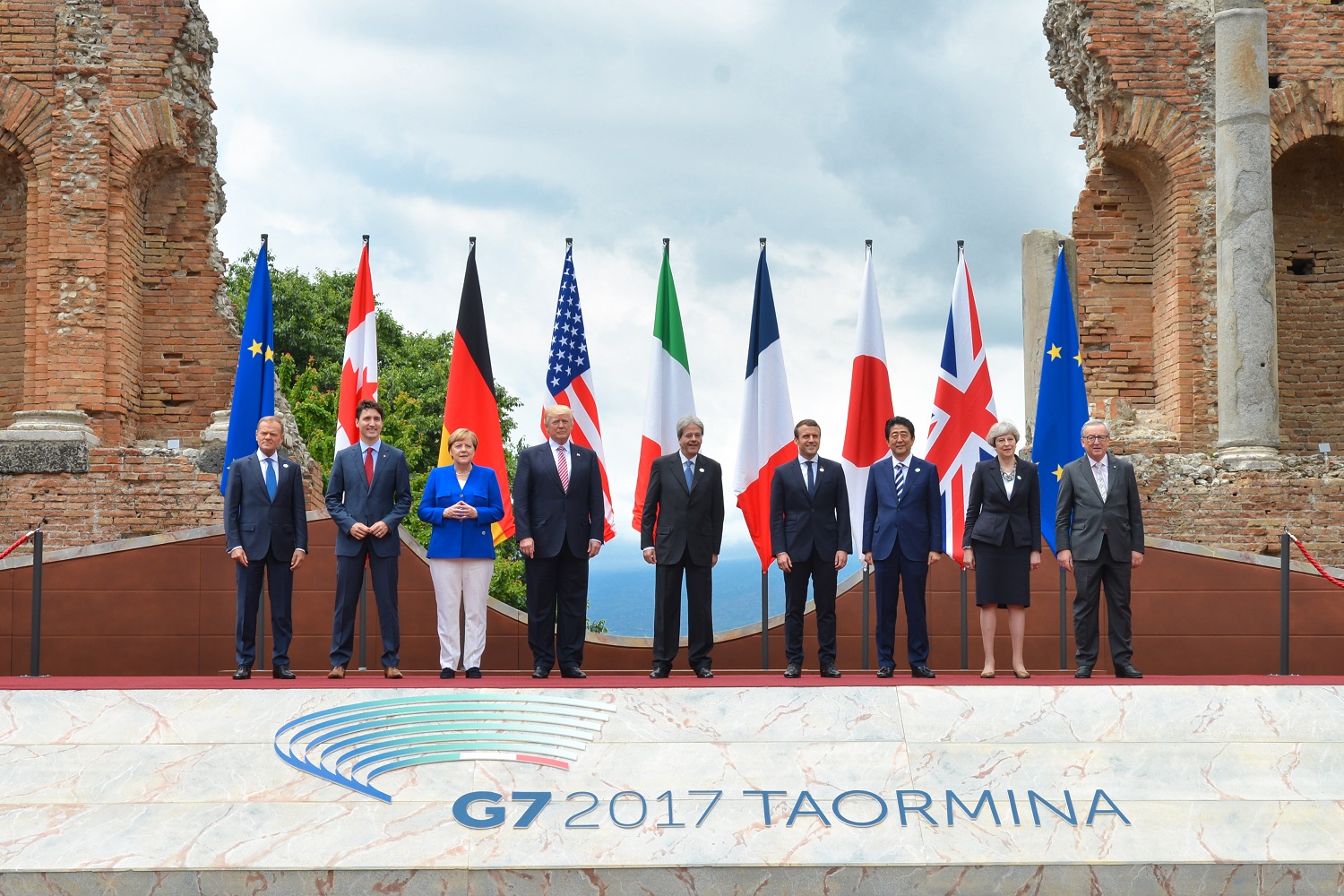
President Donald Trump held a press conference Wednesday in Évian‑les‑Bains, France, to discuss a newly drafted peace agreement with Iran [1].
The announcement comes as the U.S. seeks to stabilize tensions in the Middle East through a formal memorandum of understanding. The deal represents a significant shift in diplomatic strategy and could alter the military footprint of the United States in the region.
Trump said this to reporters following his participation in the G7 summit [2]. The press conference focused on the specific terms of the draft agreement and the broader implications for global security. The president answered questions regarding the memorandum of understanding, which serves as the foundation for the proposed peace deal [3].
One central component of the draft agreement involves the movement of military personnel. Under the current terms of the draft, U.S. troops would be required to withdraw from Iran within 30 days [4]. This timeline is a critical element of the negotiations and would mark a rapid transition in the operational status of U.S. forces.
The G7 summit in Évian‑les‑Bains has served as the backdrop for these discussions, allowing the U.S. to coordinate with other global powers on the viability of the agreement [5]. The draft peace deal aims to resolve long-standing conflicts and establish a new framework for bilateral relations between the U.S. and Iran.
While the memorandum of understanding provides a roadmap, the final implementation depends on the successful negotiation of all remaining terms. Trump said the agreement is necessary for maintaining international stability, a key theme of the summit's final day of talks [6].
“U.S. troops would be required to withdraw from Iran within 30 days under the draft agreement”
The proposed 30-day withdrawal timeline indicates a high-stakes effort to rapidly de-escalate military tensions. If ratified, this agreement would fundamentally redefine the U.S. security posture in the Persian Gulf and potentially shift the balance of power within the G7's approach to Middle Eastern diplomacy.


