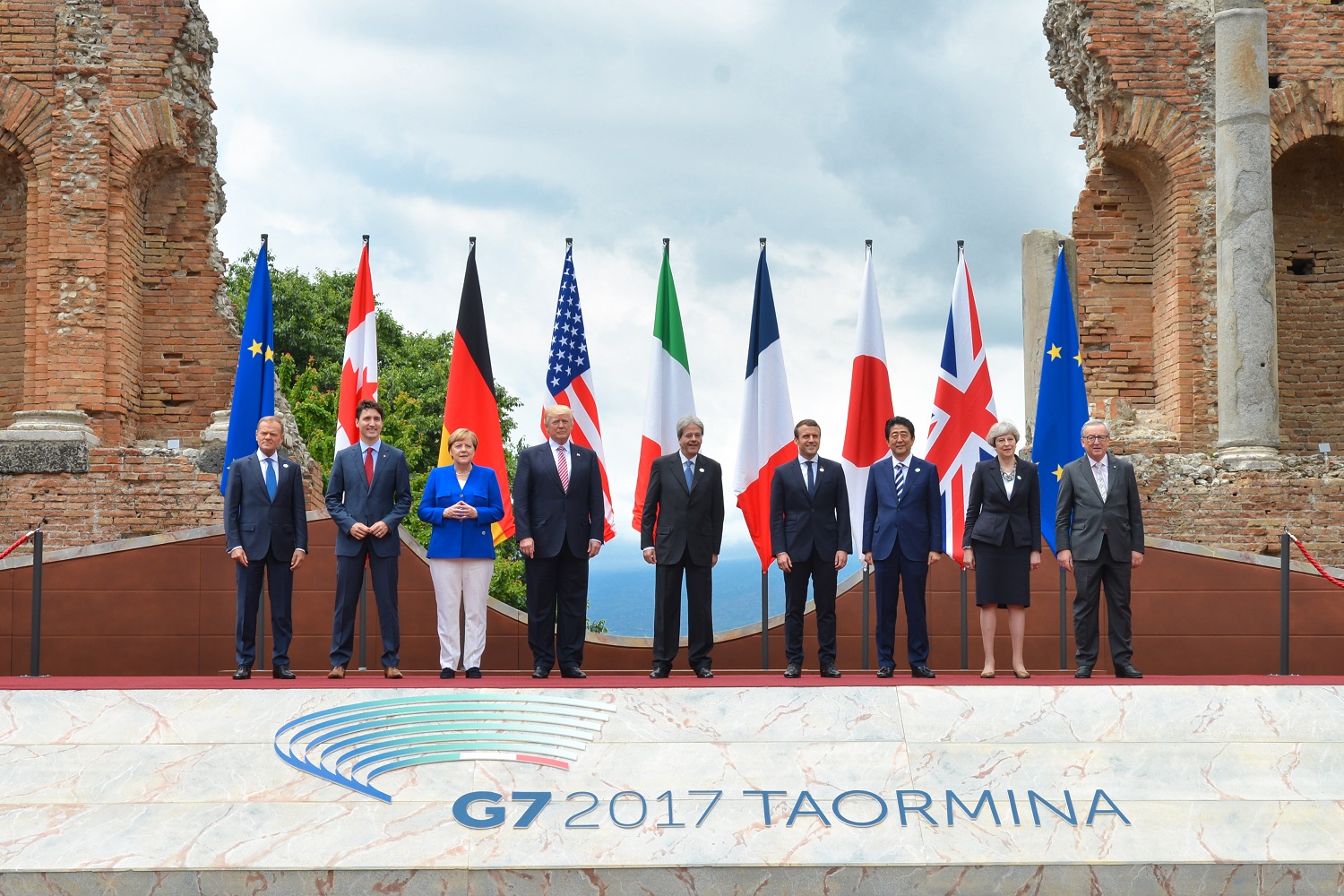
President Donald Trump held a news conference in Évian‑les‑Bains, France, on June 15, 2026 [1], during the final day of the G7 summit [2].
The event marks a critical juncture in U.S. foreign policy as the administration navigates volatile security dynamics in West Asia. The president's remarks signal a cautious approach to nuclear diplomacy and regional stability in the Strait of Hormuz.
Trump focused on the status of nuclear negotiations with Tehran. He said, "the preliminary deal with Iran isn’t ironclad" [3]. This statement suggests that while a framework may exist, the U.S. remains skeptical of the long-term viability of the agreement without stricter guarantees.
Beyond the nuclear deal, the president addressed broader geopolitical alliances. During the summit proceedings, Trump spoke regarding the strategic partnership between the U.S. and India. He said, "The US and India cannot be closer than they are today" [4].
The press conference occurred as the summit in Évian‑les‑Bains [5] concluded its scheduled agenda. The discussions throughout the week focused on global security, the economy, and the integration of artificial intelligence in governance.
Trump's presence in France provided a platform to reinforce U.S. interests before the conclusion of the G7 gathering. The administration's focus remains on maintaining a balance between diplomatic engagement and the application of pressure on adversarial regimes in the Middle East.
“"The preliminary deal with Iran isn’t ironclad."”
The president's emphasis on the fragility of the Iran deal indicates that the U.S. is likely to maintain a policy of 'maximum pressure' or strict verification rather than fully trusting a preliminary agreement. By pairing these warnings with praise for the U.S.-India relationship, the administration is signaling a shift toward strengthening strategic partnerships in Asia to counterbalance influence in West Asia.