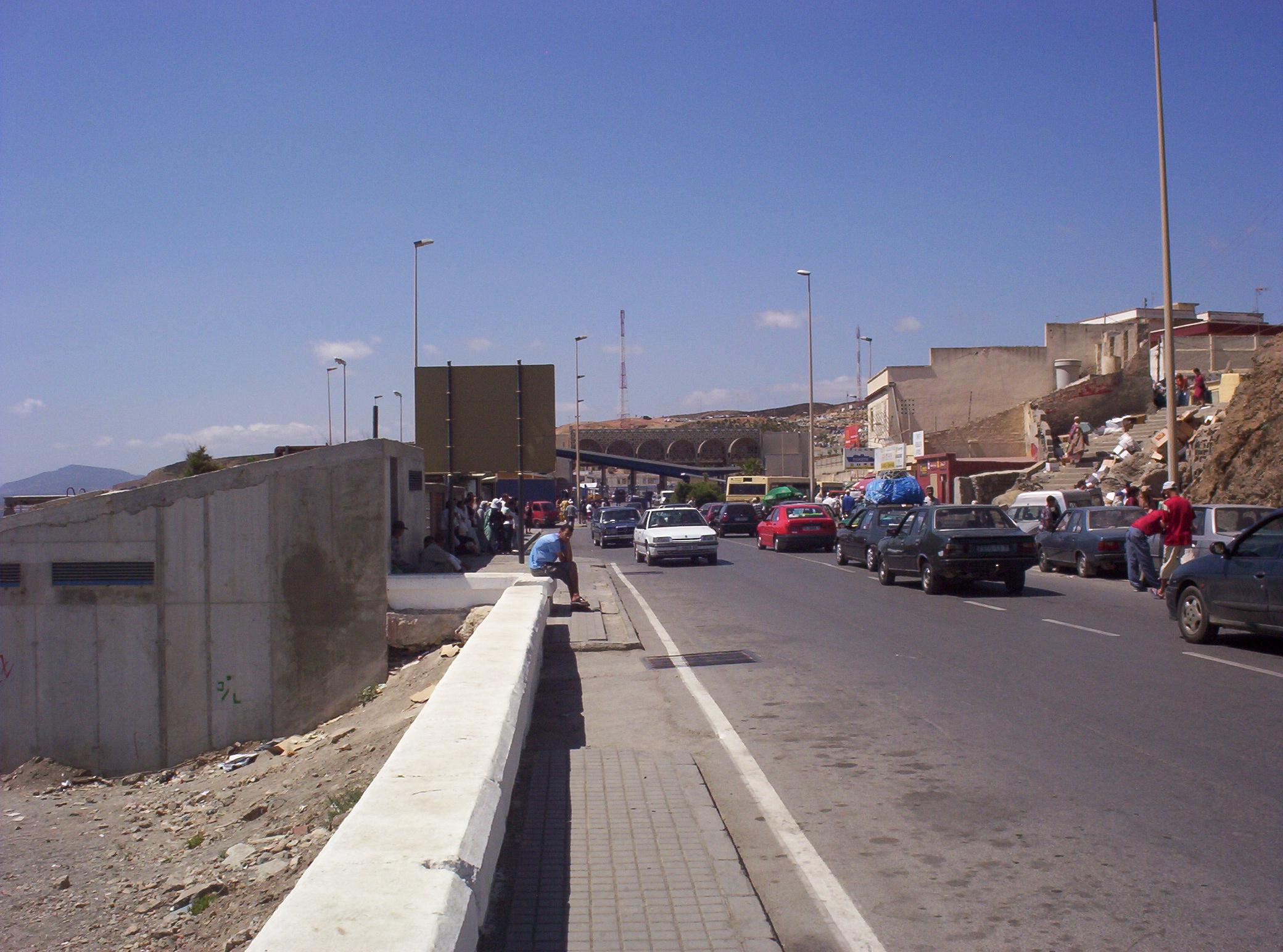
Spain has returned more than 48,000 irregular migrants to Morocco following a mass crossing into the Spanish enclave of Ceuta [1].
The operation underscores the fragile security dynamics between Spain and Morocco, as both nations attempt to manage large-scale migration flows while maintaining diplomatic cooperation.
The influx of migrants began July 30, 2024 [1]. According to Spanish authorities, about 60,000 people entered Ceuta during the surge [1]. The Spanish Interior Ministry worked with the Moroccan government to halt the mass crossing and coordinate the return of those who had entered the territory.
Interior Minister Fernando Grande‑Marlaska confirmed the scale of the repatriation efforts. "We have already returned more than 48,000 people to Morocco," Grande‑Marlaska said [1].
The coordinated response aimed to curb irregular migration and restore order at the border of the North African enclave. The rapid movement of people necessitated an immediate joint effort between the two governments to secure the perimeter, and process the individuals involved.
Spanish officials have focused on the logistical challenge of managing the 60,000 individuals [1] who attempted to enter the enclave in a short window. The return of over 48,000 people [1] represents a significant portion of that group, though the process continues as authorities monitor the border for further attempts.
“"We have already returned more than 48,000 people to Morocco,"”
This event highlights the strategic dependency between Spain and Morocco regarding border security. By coordinating the return of thousands of migrants, both governments are signaling a commitment to bilateral stability, though the scale of the crossing suggests that irregular migration remains a volatile pressure point in the region.


