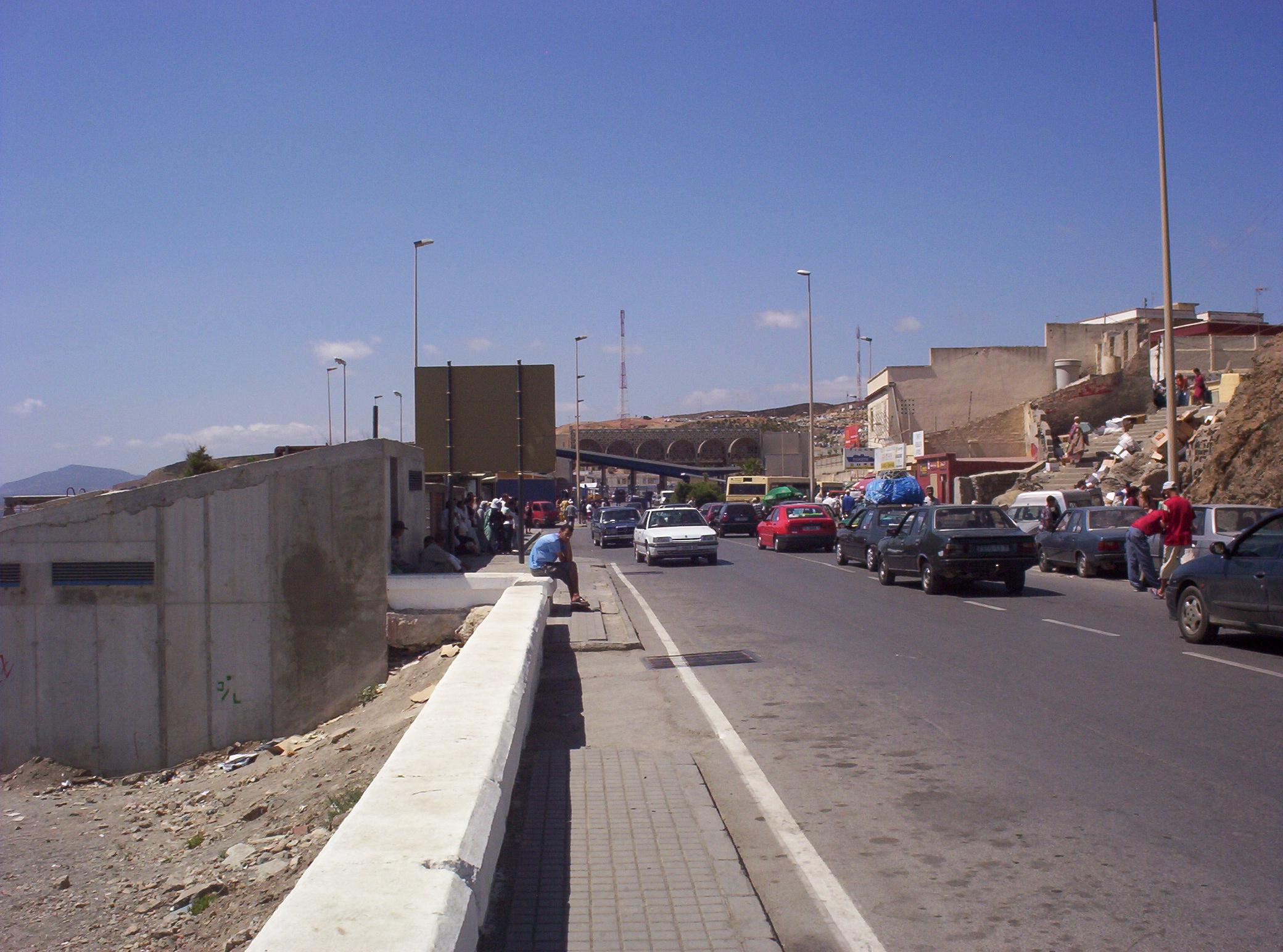
The Spanish government reported that tens of thousands of migrants who entered the enclave of Ceuta have been returned to Morocco.
This mass deportation follows a significant breach of the border fence, highlighting the volatile nature of migration patterns between North Africa and Europe. The scale of the movement has strained local resources and intensified diplomatic pressure between Spain and Morocco.
According to the Ministry of Interior, the returns were necessary to restore order after an unplanned border breach occurred on July 31 [1]. Reports on the number of people sent back vary by source. One report indicates that more than 48,300 migrants have returned to Morocco [2], while other reports place the figure at 50,000 [1].
Estimates suggest that approximately 60,000 people crossed into the Spanish territory during the event [3]. The chaos of the breach resulted in significant casualties, with reports indicating that at least 34 people died [4].
Spanish officials said the measures were taken to stabilize the region. Some reports suggest that migrants were encouraged to attempt the crossing due to systemic poverty and inequality in the region [3]. The enclave of Ceuta, located on the North African coast, remains a primary transit point for those seeking entry into the European Union.
Security forces were deployed to manage the crowds and facilitate the return process. The Spanish government said the operation aimed to ensure the security of both the local population and the migrants involved in the breach.
“Over 48,300 migrants have returned to Morocco from Ceuta”
The rapid return of thousands of migrants underscores the fragile security agreement between Spain and Morocco. While Spain prioritizes border integrity and the restoration of order, the scale of the breach—driven by socio-economic desperation—suggests that physical barriers are insufficient to deter migration. This event likely increases pressure on both nations to address the root causes of instability in North Africa to prevent future mass crossings.


