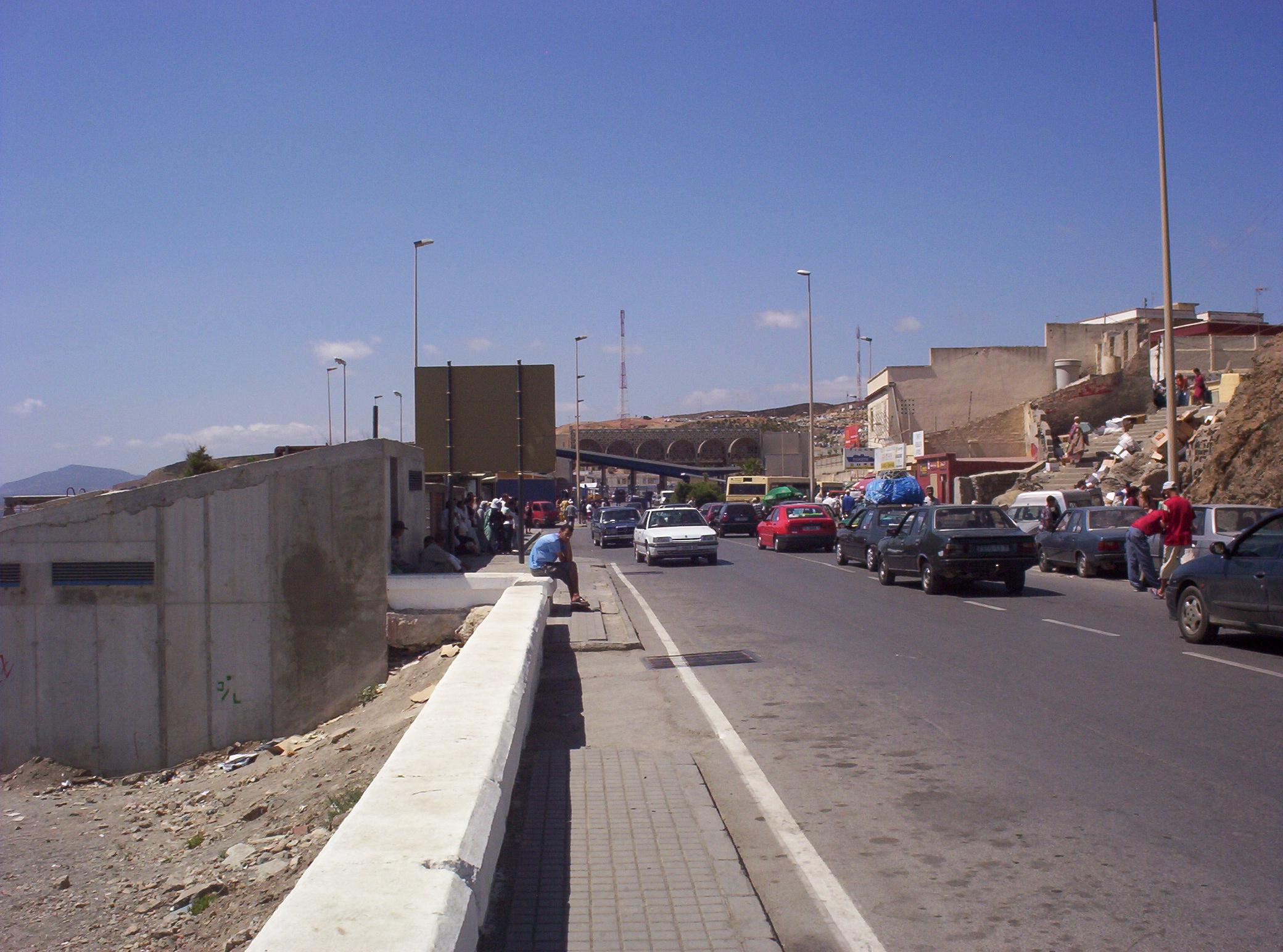
Spain deployed its military to the enclave of Ceuta after approximately 60,000 migrants crossed the border from Morocco on Thursday [1].
The surge has strained the resources of the small Spanish territory and highlighted the volatile nature of migration pressures at the edge of the European Union.
Spanish authorities were overwhelmed by the scale of the breach, which began on July 30 [2]. In response, the interior minister ordered military units to secure the perimeter and assist local law enforcement in managing the crowds [3]. The influx occurred as migrants attempted to gain entry into European territory by crossing the heavily fortified border [4].
The crossing resulted in significant loss of life. Reports on the number of fatalities vary, with estimates ranging from at least 18 to at least 34 deaths [5]. The casualties occurred as large groups attempted to penetrate the border defenses.
Following the initial surge, Spanish officials worked to stabilize the region. At least half of the migrants who entered the enclave have since returned to Morocco [1]. The remaining individuals are being processed by Spanish authorities as the military maintains a presence to prevent further breaches.
Ceuta, located on the northern coast of Morocco, remains one of the few land borders between the EU and Africa [6]. The enclave is surrounded by high fences and surveillance technology designed to deter illegal crossings, yet these measures were bypassed during Thursday's events [4].
“Spain deployed its military to the enclave of Ceuta after approximately 60,000 migrants crossed the border.”
The scale of this breach suggests a breakdown in border coordination between Spain and Morocco. By overwhelming the enclave's infrastructure with 60,000 people in a single day, the event demonstrates that physical fortifications can be bypassed by sheer volume, likely forcing the EU to reconsider its migration strategy and diplomatic agreements with North African transit countries.


