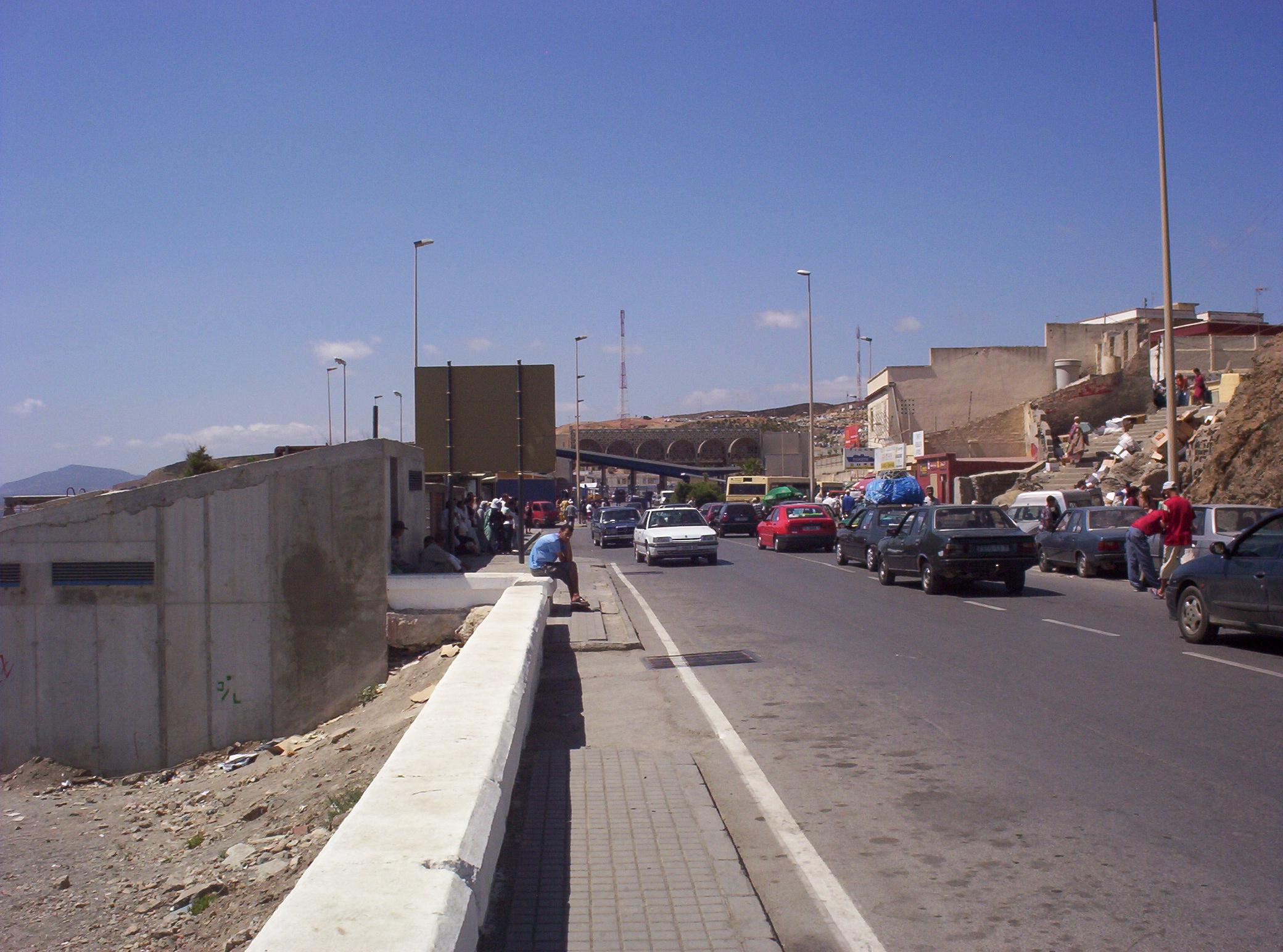
More than 50,000 migrants entered Spain through the North African enclave of Ceuta over the last few days [1].
The scale of the influx and the resulting loss of life create a significant diplomatic and humanitarian crisis between Spain and Morocco. This event tests the border security of the European Union's southern perimeter and the capacity of local infrastructure to manage sudden population surges.
At least 57 people died during the crossings [2]. The migrants traveled from Morocco to reach the Spanish territory, which sits on the coast of North Africa. The surge has overwhelmed local authorities in Ceuta, as thousands attempted to cross the border in a short window of time.
Prime Minister Pedro Sánchez said the situation constitutes a breach of Spain’s territorial integrity. The Spanish government has condemned the episode, framing the massive arrival not only as a humanitarian emergency, but as a violation of national sovereignty.
Spain has historically struggled with the management of its enclaves in Africa. The current crisis represents one of the largest single-event migrations in the region's recent history, prompting calls for a coordinated response with international partners to prevent further deaths [2].
Security forces in Ceuta have been deployed to manage the crowds and secure the perimeter. The government continues to assess the total number of arrivals and the specific causes of the deaths reported during the push toward the border [1].
“More than 50,000 migrants entered Spain through the North African enclave of Ceuta.”
This event underscores the volatility of the Spain-Morocco border and the use of migration as a geopolitical lever. By labeling the influx a breach of territorial integrity, Spain is framing the crisis as a security threat rather than a purely humanitarian issue, which may influence future bilateral agreements regarding border control and migration quotas.


