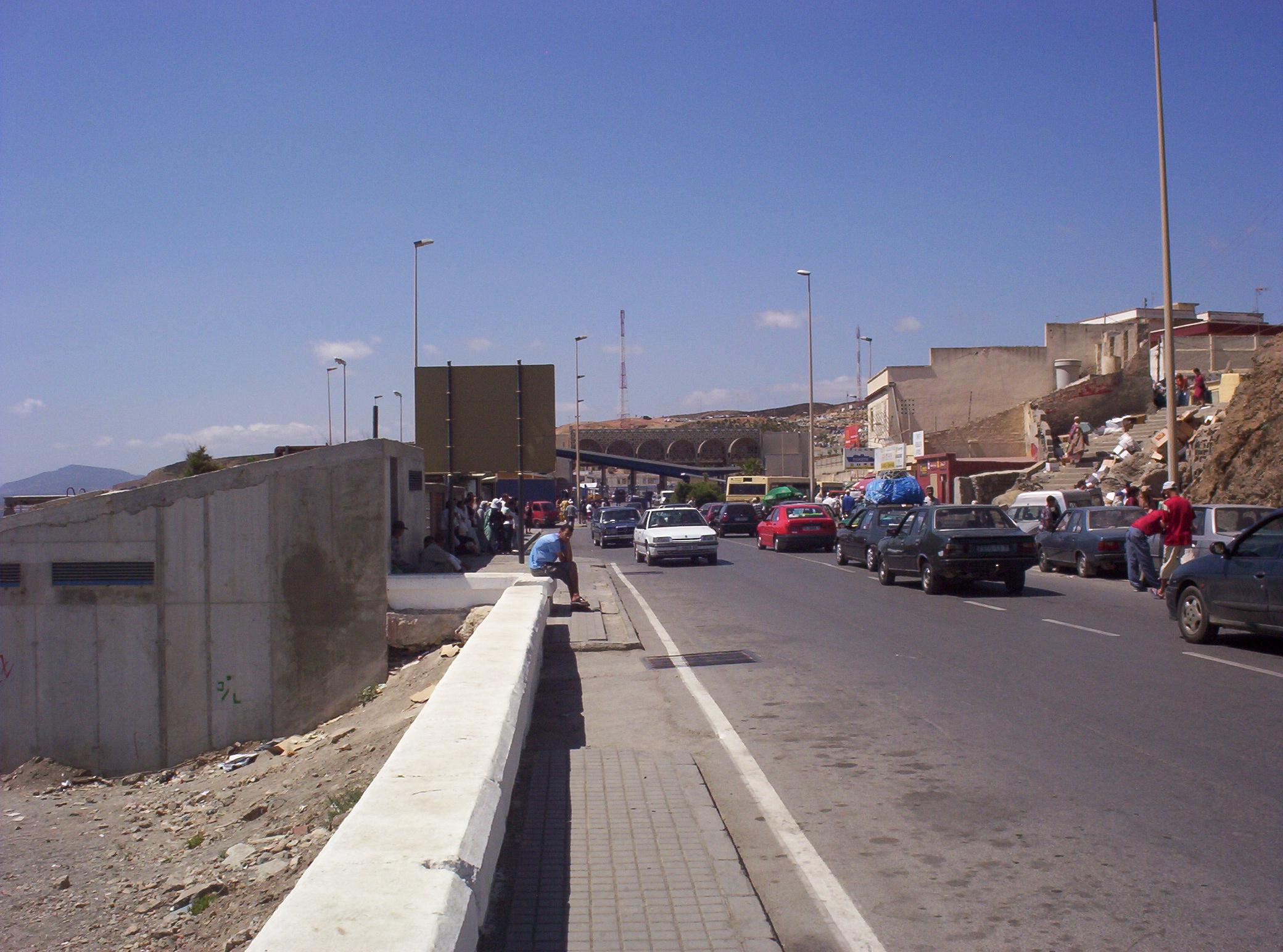
Spain announced the deployment of military forces to the enclave of Ceuta after thousands of migrants breached the border with Morocco on Thursday [1, 2].
The surge represents a significant security failure at one of the most contentious borders in North Africa. The scale of the crossing has forced the Spanish government to shift from civilian policing to military intervention to regain control of the territory.
Prime Minister Pedro Sánchez ordered the deployment to restore order after the border security infrastructure failed [1]. The head of Ceuta's Civil Guard union said the scene was "absolute chaos" and said the border has "totally collapsed" [1, 3].
Reports on the human cost of the breach vary significantly. U.S. News reported that at least nine people died [2], while Firstpost reported 18 deaths [5]. A later update from MSN said the death toll rose to 34 [6].
Ceuta is a Spanish enclave located on the northern coast of Africa. The coordinated nature of the crossing led to a rapid influx of people, overwhelming local authorities and creating a humanitarian and security crisis [1, 3, 5].
Spanish officials said the military will focus on securing the perimeter and processing those who entered the enclave. The deployment comes as the government attempts to manage the aftermath of the breach and prevent further unauthorized entries from Morocco [1, 3].
“"Absolute chaos"”
The collapse of the Ceuta border highlights the fragility of migration controls between Morocco and the EU. The deployment of the military suggests that civilian border guards were insufficient to handle the scale of the coordinated breach, potentially straining diplomatic relations between Spain and Morocco regarding border security and migrant management.


