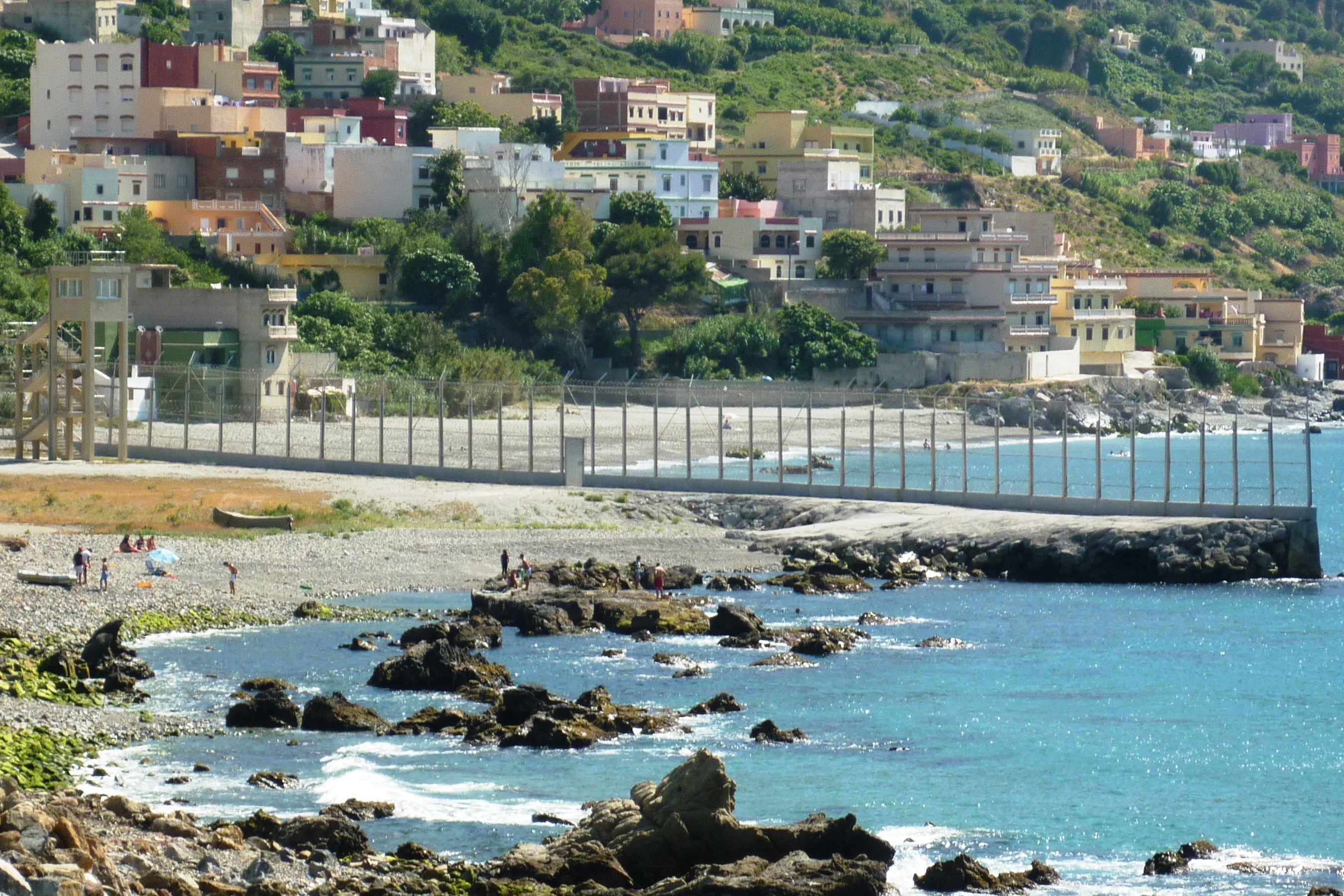
The Moroccan government attributed the recent migration crisis in Ceuta to social media disinformation, human trafficking networks, and legal misunderstandings [1].
This escalation highlights the fragile security dynamics at the border between Morocco and the Spanish enclave, where disinformation can trigger mass movements of people. The situation underscores the influence of digital platforms in coordinating migration attempts and the volatility of regional diplomatic relations.
Authorities reported that approximately 40,000 migrants arrived in Ceuta [2]. Among those attempting to cross the border, 1,135 people tried to enter the Spanish territory [2]. The human cost of the surge is significant, with Moroccan officials recognizing 11 deaths within Moroccan territory [2].
According to the Moroccan government, the crisis was fueled by the spread of erroneous information on social networks [1]. These digital campaigns allegedly misled migrants regarding the feasibility of entry. Additionally, officials said that trafficking mafias exploited the situation to push people toward the border [1].
Another contributing factor was a misunderstanding of a ruling by the Spanish Supreme Court regarding "hot returns" — the practice of immediately expelling migrants who cross the border illegally [1]. Moroccan authorities said these judicial misinterpretations encouraged migrants to believe the border was open [1].
While Morocco points to external actors and digital misinformation, political interpretations of the crisis vary. Some Spanish political factions have focused on the domestic administration of Prime Minister Pedro Sánchez, while other reports emphasize the role of the Moroccan state in managing its border zones [2].
Moroccan officials said the combination of organized crime and viral misinformation created a perfect storm that overwhelmed border controls late Sunday [1].
“approximately 40,000 migrants arrived in Ceuta”
The Moroccan government's attribution of the crisis to 'disinformation' shifts the narrative from state-sponsored migration pressure to a failure of digital literacy and the influence of criminal networks. By citing the Spanish Supreme Court ruling on 'hot returns,' Morocco suggests that Spanish legal shifts—rather than Moroccan policy—created the incentive for the surge. This framing attempts to mitigate diplomatic friction with Spain while acknowledging the humanitarian toll of the border crossing.

