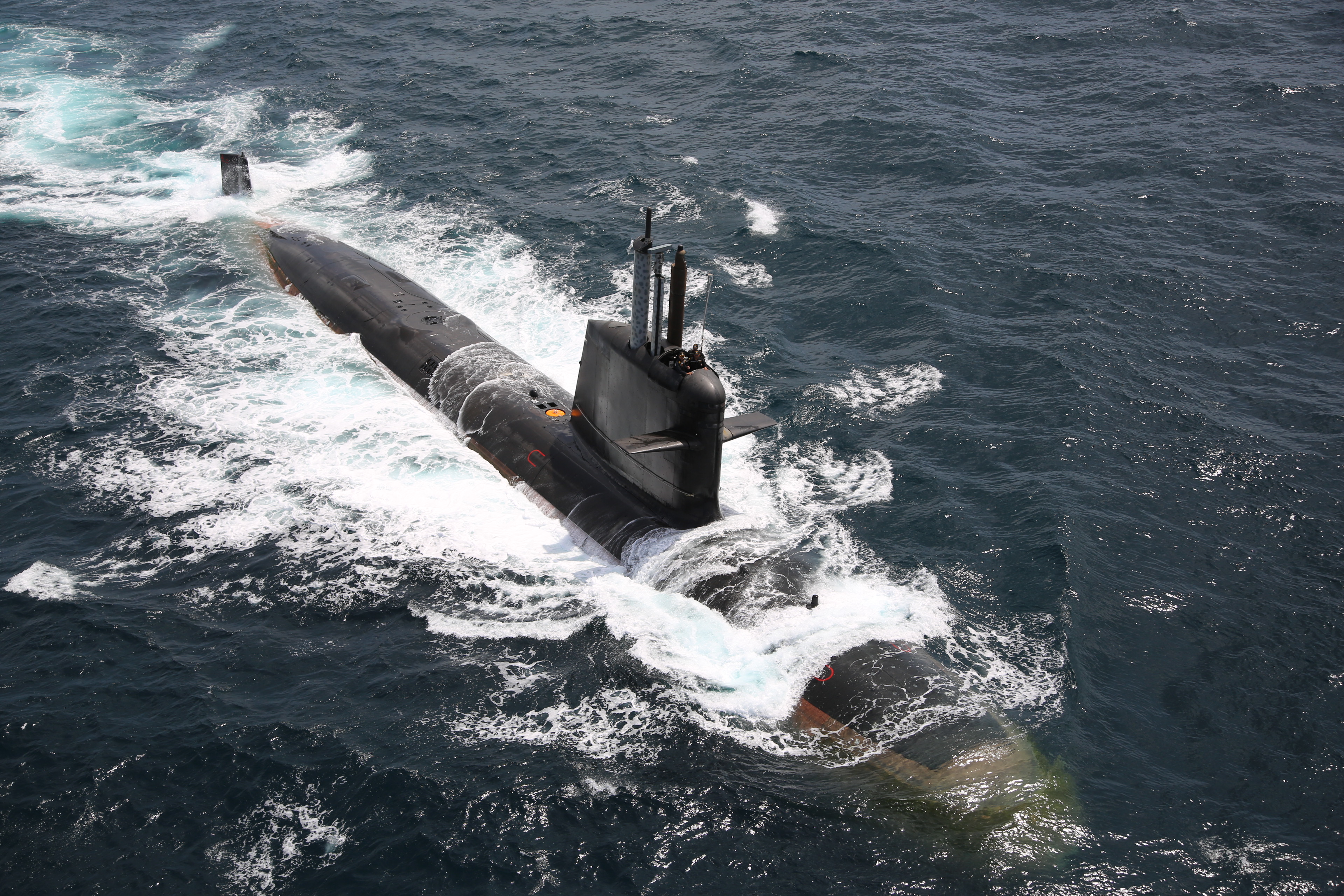
Prime Minister Narendra Modi commissioned three indigenously built naval ships in Kolkata to enhance India's maritime capabilities [1].
The addition of these vessels marks a significant step toward maritime self-reliance. By integrating specialized ships for combat, surveying, and anti-submarine warfare, India aims to secure its territorial waters and promote economic prosperity linked to the sea [1, 2].
The newly commissioned fleet includes the INS Dunagiri, INS Sanshodhak, and INS Agray [1, 3]. These ships are designed to provide a versatile response to regional security challenges, ranging from deep-sea surveying to active combat operations [2].
A key highlight of the project is the level of domestic production. The ships feature indigenous content of over 75% [1]. This focus on local manufacturing reduces dependence on foreign military imports and strengthens the domestic defense industrial base.
Modi said that development, security, and prosperity are closely linked to the sea [1]. The ceremony in Kolkata underscores the government's strategy to modernize the navy while fostering an ecosystem of home-grown engineering and technology [2].
The INS Dunagiri and INS Agray provide critical combat and anti-submarine capabilities, while the INS Sanshodhak serves as a specialized surveying vessel [1, 3]. Together, they expand the operational reach of the Indian Navy in the Indian Ocean Region.
“Prime Minister Narendra Modi commissioned three indigenously built naval ships in Kolkata”
The commissioning of these vessels reflects India's 'Aatmanirbhar Bharat' (Self-Reliant India) initiative applied to national security. By achieving over 75% indigenous content, India is transitioning from a primary importer of naval hardware to a producer, which reduces strategic vulnerability and enhances the speed of maintenance and upgrades for its fleet in a contested maritime environment.