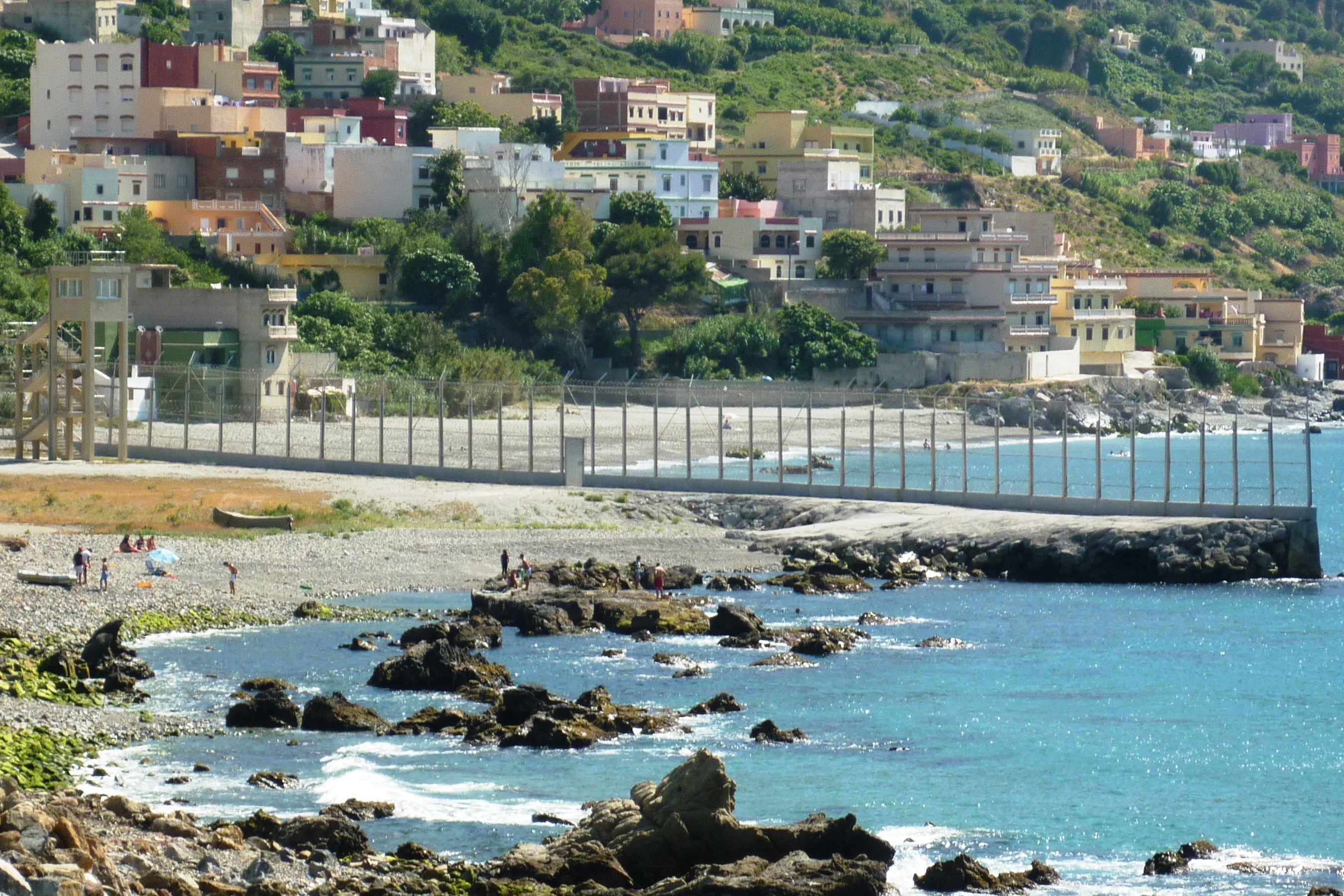
Thousands of African migrants entered the Spanish enclave of Ceuta from Morocco this week, overwhelming the city's infrastructure and security forces.
The mass influx has triggered a diplomatic crisis within the European Union, leading to the suspension of border-free travel agreements between key member states. This event underscores the fragility of the Schengen Area when faced with sudden, large-scale migration surges.
Juan Jesús Vivas, the president of Ceuta, said some 60,000 migrants [1] entered the city from Morocco in a 24-hour period. The surge resulted in a humanitarian emergency, with at least 18 deaths [2] recorded among those attempting the crossing.
Local residents described the scene as "an apocalypse" [3], reporting that the streets were overrun and public fountains were used for bathing. The sudden population spike caused widespread anger among the local population as city services failed to keep pace with the demand.
In response to the instability, Italy took the rare step of halting its open-border arrangements. A spokesperson for the Italian Foreign Ministry said the government is suspending the EU's border-free Schengen arrangements with Spain in response to the mass influx into Ceuta [4].
While Spanish authorities worked to reinforce the border, reports on the current population of the enclave vary. Some reports indicate that tens of thousands of people [5] have since returned to Morocco voluntarily, though other reports focus on the initial scale of the entry.
“"An apocalypse"”
The suspension of the Schengen agreement by Italy indicates that the Ceuta crisis is being viewed not just as a local Spanish issue, but as a systemic threat to EU border security. By restricting movement, Italy is signaling a lack of confidence in Spain's ability to contain the influx, potentially encouraging other EU nations to reinstate internal border controls and challenging the principle of free movement within the bloc.


