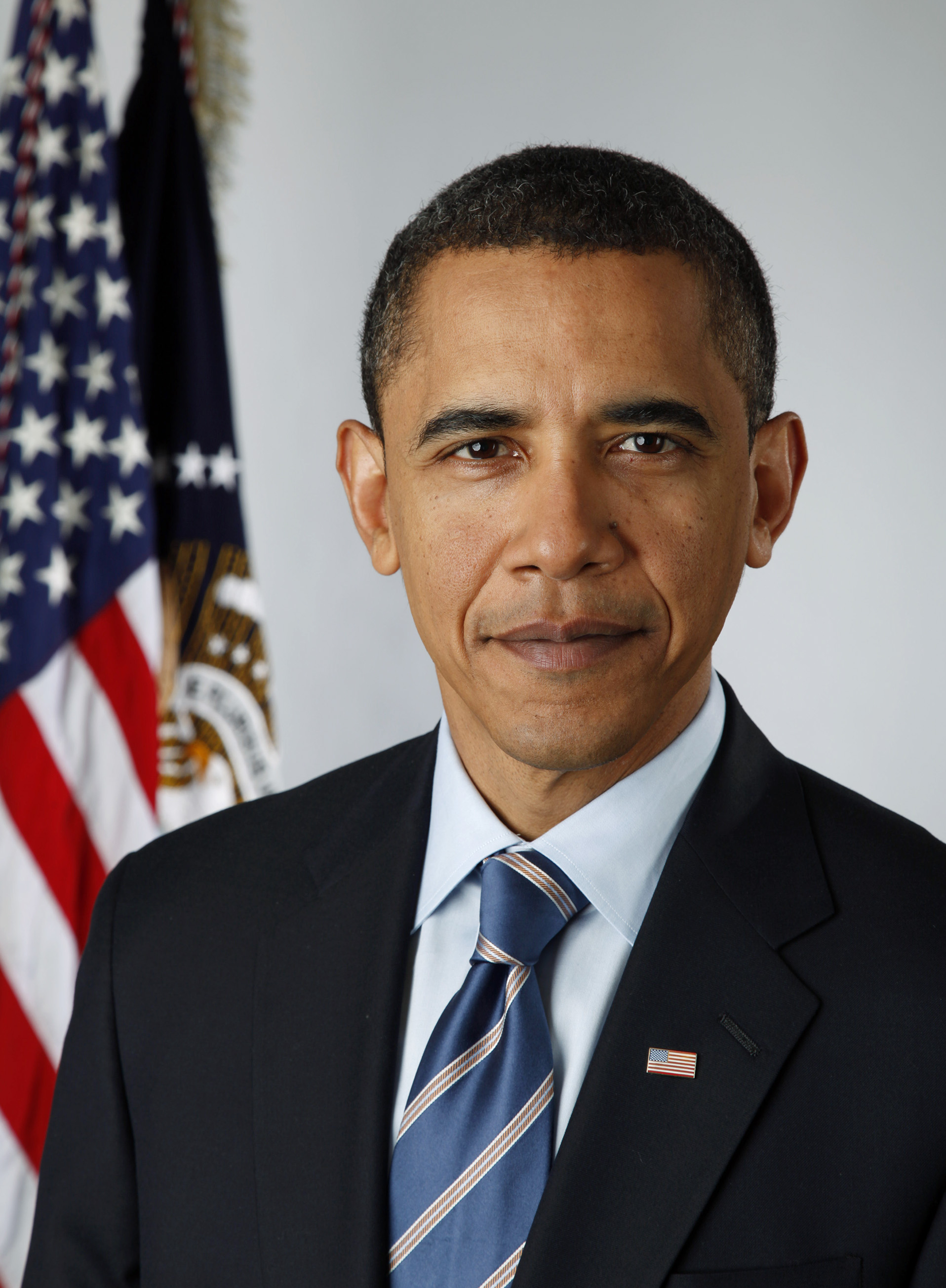
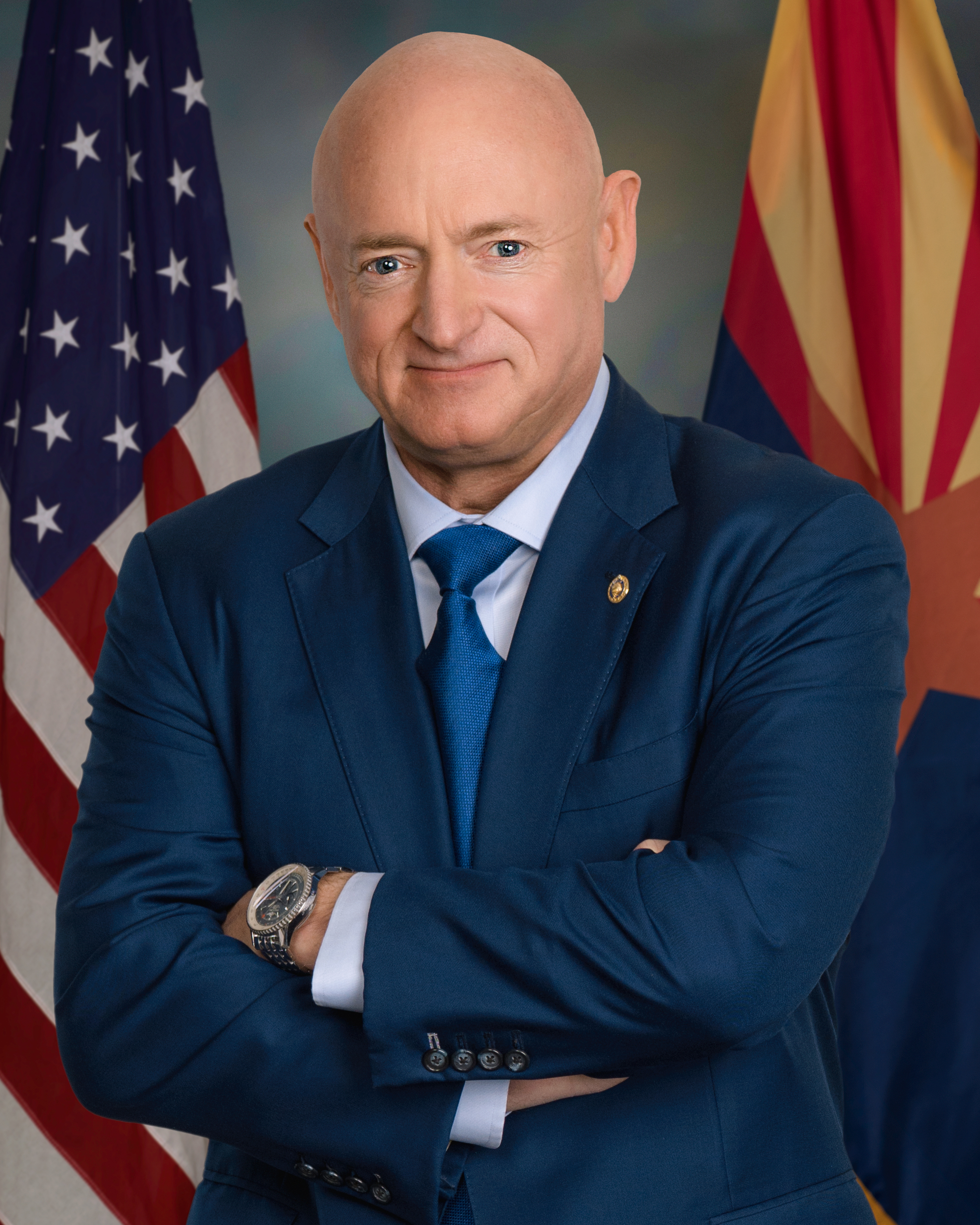
Prime Minister Narendra Modi met with European Council President Antonio Costa and European Commission President Ursula von der Leyen on Wednesday in Évian, France [1].
The trilateral meeting occurred on the sidelines of the G7 Summit [3]. The discussions focus on expanding economic cooperation and finalizing a trade framework that could significantly alter the flow of goods and services between India and the European Union.
During the talks, the leaders focused on deepening relations and advancing a prospective free-trade agreement. The agreement aims to reduce tariffs, and streamline regulatory hurdles for businesses operating across both regions [2].
"We are committed to concluding a free trade agreement with India by the end of this year," von der Leyen said [2].
This meeting takes place as India continues to strengthen its presence on the global stage. This is the 13th time [3] India has participated as a partner country at the G7, and it marks the seventh consecutive appearance [3] for Prime Minister Modi at the summit.
Randhir Jaiswal, a spokesperson for the Ministry of External Affairs, said the trilateral meeting underscores the deepening partnership between India and the European Union [1]. The leaders discussed how to expand economic cooperation to ensure more resilient supply chains and shared growth.
The summit in France has served as a hub for several high-level bilateral talks. By prioritizing the trade deal, both the EU and India are signaling a desire to diversify their economic dependencies and strengthen geopolitical ties in a volatile global market [2].
“"We are committed to concluding a free trade agreement with India by the end of this year."”
The push for a free-trade agreement by the end of 2026 indicates an acceleration of economic diplomacy between India and the EU. For India, this represents a strategic move to integrate more deeply into European markets, while the EU seeks a reliable, large-scale democratic partner to balance its trade dependencies. The successful conclusion of this deal would mark a significant shift in the geopolitical economic landscape of the Indo-Pacific and Europe.