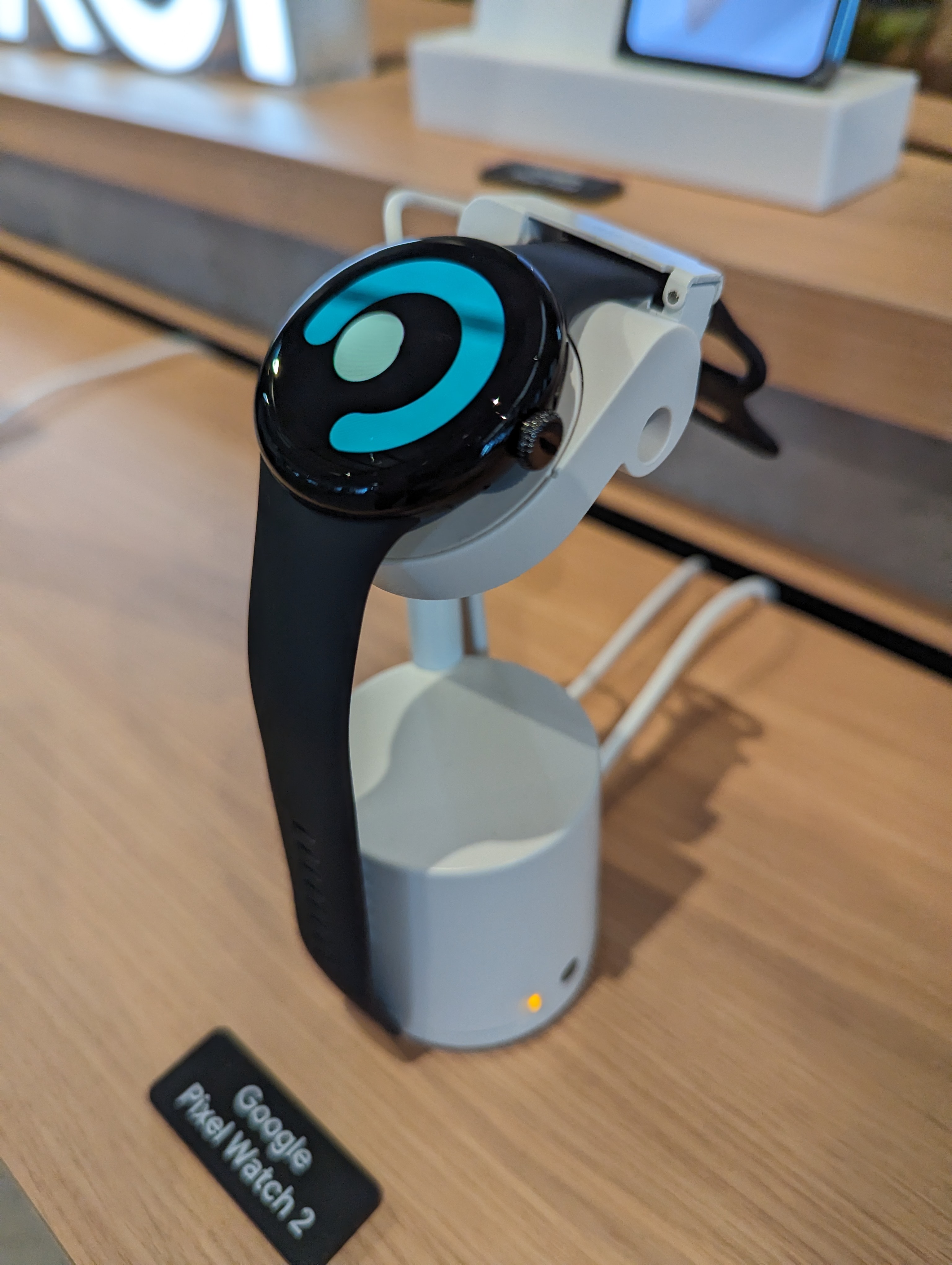
Google designed the Pixel Watch 4 to be user-repairable, allowing owners to replace key hardware components [1, 2, 3].
This shift marks a departure from the industry standard of sealed wearables, which often require full device replacement for minor failures. By allowing the replacement of the battery and other parts, Google aims to support the right-to-repair movement and lower the volume of electronic waste [3, 4].
Owners can now replace specific components, including the haptic engine, the battery, and the case back [1, 2, 3]. This design change allows the device to be serviced without the proprietary tools often required by other manufacturers.
"The Pixel Watch 4 is the first major smartwatch that can be opened with a standard screwdriver," Lauren Goode said in a report for Wired [1].
Previous generations of smartwatches were largely considered disposable due to adhesive-heavy constructions. The new approach enables a more sustainable lifecycle for the hardware, a move that distinguishes the device from competitors like the Apple Watch [2].
"Google finally gave us a smartwatch that we can actually open up and replace parts," a Tom's Guide author said [2].
While the hardware is more accessible, some experts suggest the broader industry is slow to adopt these standards. A CNET host said that repairability is here, although it is not yet as widespread as it should be [3].
“The Pixel Watch 4 is the first major smartwatch that can be opened with a standard screwdriver.”
Google's move toward a modular design for the Pixel Watch 4 signals a shift in the wearable market, where longevity has historically been sacrificed for water resistance and slim profiles. If this approach increases the average lifespan of the device, it could pressure other tech giants to move away from sealed units and toward a circular economy for consumer electronics.

'%2F%3E%0A%20%20%20%20%3Crect%20width%3D'1600'%20height%3D'900'%20fill%3D'url(%23v)'%2F%3E%0A%20%20%20%20%3Cg%20opacity%3D'0.08'%20fill%3D'%23ffffff'%3E%0A%20%20%20%20%20%20%3Ccircle%20cx%3D'1420'%20cy%3D'180'%20r%3D'220'%2F%3E%0A%20%20%20%20%20%20%3Ccircle%20cx%3D'1500'%20cy%3D'760'%20r%3D'120'%2F%3E%0A%20%20%20%20%3C%2Fg%3E%0A%20%20%20%20%3Cline%20x1%3D'80'%20y1%3D'172'%20x2%3D'220'%20y2%3D'172'%20stroke%3D'%23ffffff'%20stroke-width%3D'3'%20stroke-opacity%3D'0.6'%2F%3E%0A%20%20%20%20%3Ctext%20x%3D'80'%20y%3D'140'%20font-family%3D'Inter%2C%20-apple-system%2C%20Helvetica%2C%20sans-serif'%20font-weight%3D'700'%20font-size%3D'28'%20fill%3D'%23ffffff'%20letter-spacing%3D'6'%3EHANNA%20%C2%B7%20NEWS%3C%2Ftext%3E%0A%20%20%20%20%3Ctext%20x%3D'80'%20y%3D'230'%20font-family%3D'Inter%2C%20-apple-system%2C%20Helvetica%2C%20sans-serif'%20font-weight%3D'600'%20font-size%3D'40'%20fill%3D'%23ffffffb3'%20letter-spacing%3D'4'%3ETECH%3C%2Ftext%3E%0A%20%20%20%20%3Ctext%20x%3D'80'%20y%3D'622'%20font-family%3D'Playfair%20Display%2C%20Georgia%2C%20serif'%20font-weight%3D'800'%20font-size%3D'86'%20fill%3D'%23ffffff'%20letter-spacing%3D'-1'%3EApple%20Unveils%20AI-Powered%3C%2Ftext%3E%3Ctext%20x%3D'80'%20y%3D'721'%20font-family%3D'Playfair%20Display%2C%20Georgia%2C%20serif'%20font-weight%3D'800'%20font-size%3D'86'%20fill%3D'%23ffffff'%20letter-spacing%3D'-1'%3ESiri%20and%20New%20AFM%203%20Core%3C%2Ftext%3E%3Ctext%20x%3D'80'%20y%3D'820'%20font-family%3D'Playfair%20Display%2C%20Georgia%2C%20serif'%20font-weight%3D'800'%20font-size%3D'86'%20fill%3D'%23ffffff'%20letter-spacing%3D'-1'%3EAdvanced%20Chip%3C%2Ftext%3E%0A%20%20%20%20%3Ctext%20x%3D'80'%20y%3D'870'%20font-family%3D'Inter%2C%20-apple-system%2C%20Helvetica%2C%20sans-serif'%20font-weight%3D'500'%20font-size%3D'22'%20fill%3D'%23ffffff66'%20letter-spacing%3D'2'%3Enews.hanna-ai.com%3C%2Ftext%3E%0A%20%20%3C%2Fsvg%3E)