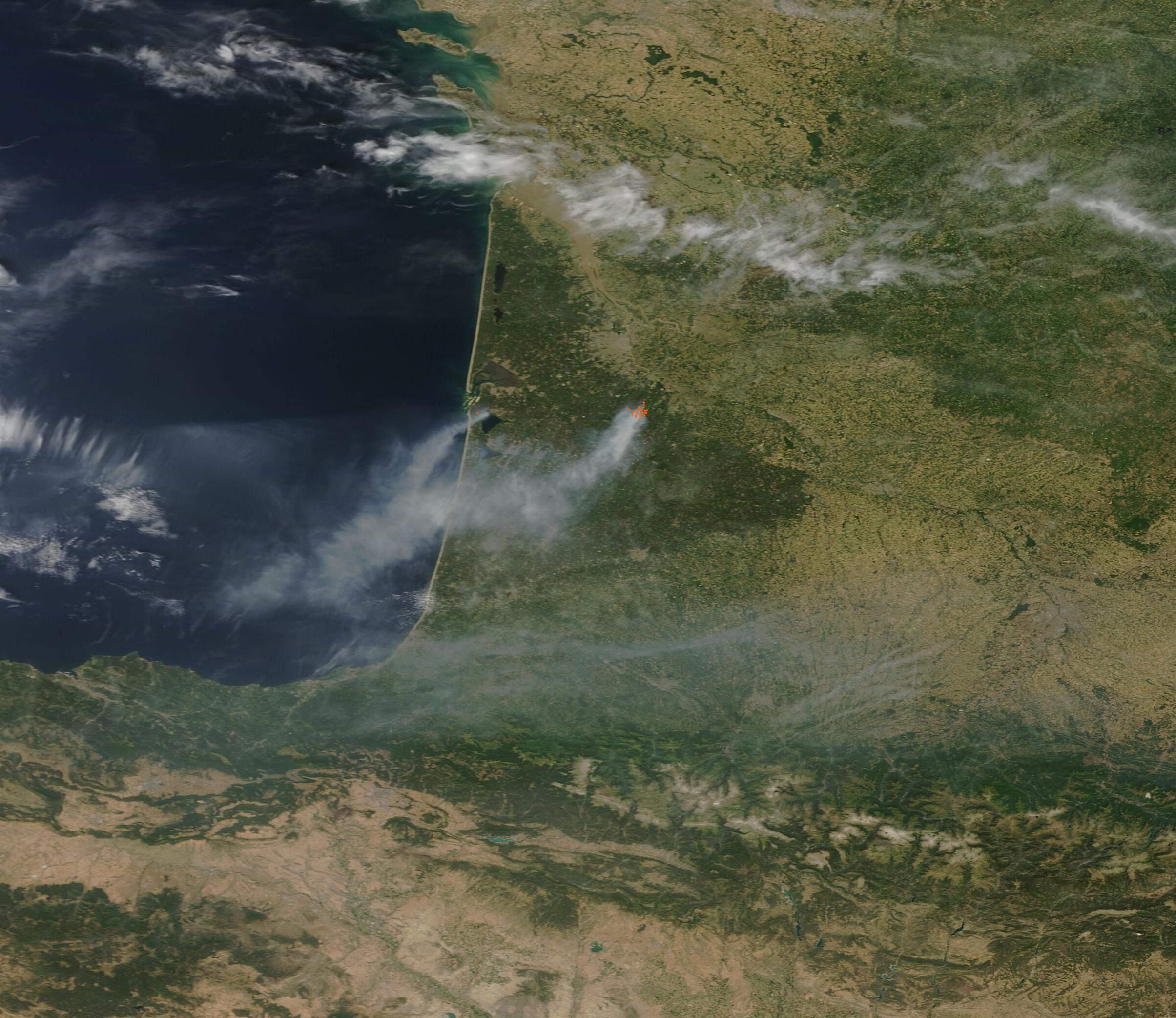
Devastating wildfires are engulfing parts of Europe, including Spain and France, as record heatwaves sweep across the continent [1, 2].
These blazes represent a growing threat to both human life and critical tourism hotspots. The scale of the destruction highlights the increasing volatility of European summers as extreme weather events become more frequent.
In Spain, a wildfire near Madrid resulted in one death [5] and forced the evacuation of 180 people [5]. The fires have spread through various regions, coinciding with a period where millions of people across Europe have faced record heat [3, 4].
France has also seen significant fire activity, with flames threatening populated areas and natural landscapes [2, 4]. The combination of prolonged drought and high temperatures has created an environment where fires ignite easily and spread rapidly across the landscape.
Rob Sharpe said, "It looks like climate change is at least playing a role in these fires being more widespread and devastating than most of the fires in European history" [1].
While heatwaves have historically occurred in the region, the current intensity is linked to broader climatic shifts. These conditions make the containment of wildfires more difficult for emergency services, who are battling unpredictable wind patterns and bone-dry vegetation.
Authorities continue to monitor the situation as heat levels remain critical. Efforts are focused on preventing further loss of life and protecting infrastructure in the affected zones [2, 5].
“One death and 180 evacuations were reported from the wildfire near Madrid.”
The recurrence of these wildfires in 2025 and 2026 suggests a shift in the European climate baseline. By linking record heat to more devastating fire seasons, the situation indicates that traditional firefighting infrastructure may no longer be sufficient to handle the scale of climate-driven disasters in Southern Europe.


