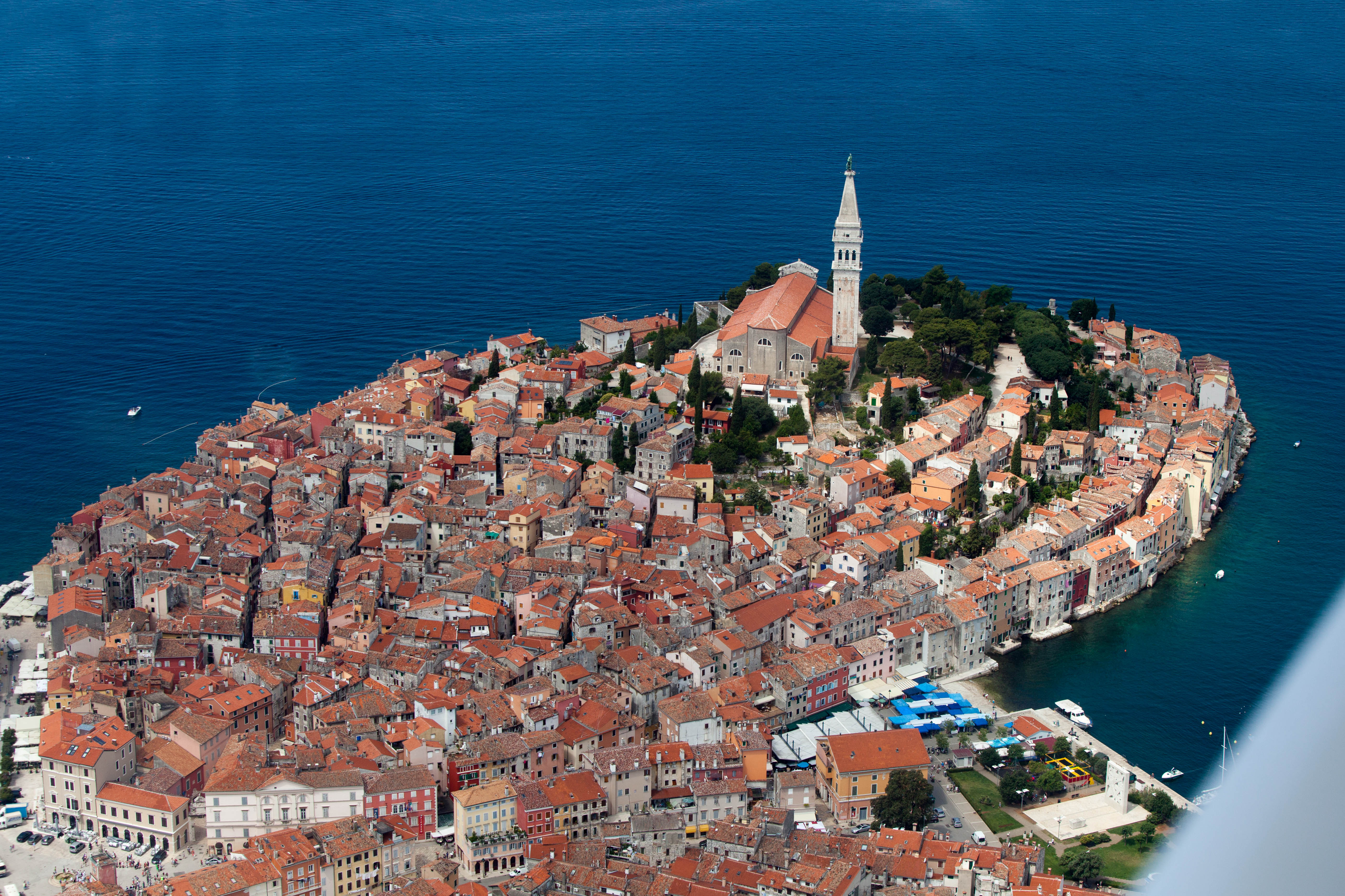
A one-month-old pony named Mile is recovering from surgery in a fourth-floor apartment in the coastal town of Rovinj, Croatia [1], [2].
The unusual living arrangement highlights the lengths some animal owners will go to ensure the survival of rejected livestock during critical medical recovery periods.
Mile's owner, Andjelka Josipović, took the foal into her home after his mother rejected him at birth [1], [3]. The pony required urgent medical intervention for a life-threatening infection, which necessitated surgery [1]. Because the foal requires constant feeding and post-surgical monitoring, Josipović moved him into her residence to provide a controlled environment [1], [3].
The apartment is located on the fourth floor [2]. Despite the unconventional presence of a horse in a residential building, neighbors have remained supportive of the arrangement [3].
Care for a foal of this age is intensive, involving frequent feeding, and health checks to ensure the infection does not return [1]. The decision to house the animal in a flat allows Josipović to monitor his progress around the clock — a necessity for a foal that lacks the natural care of a mother.
Local reports said that the stay in the apartment is temporary [1]. Once Mile is fully recovered and strong enough to handle a traditional stable environment, he will be moved to a more suitable location [3].
“A one-month-old pony named Mile is recovering from surgery in a fourth-floor apartment.”
This case illustrates the intersection of veterinary necessity and urban living. While horses are typically managed in rural settings, the critical nature of a foal's post-surgical recovery can override traditional zoning or housing norms, especially when the animal has been orphaned by its mother.