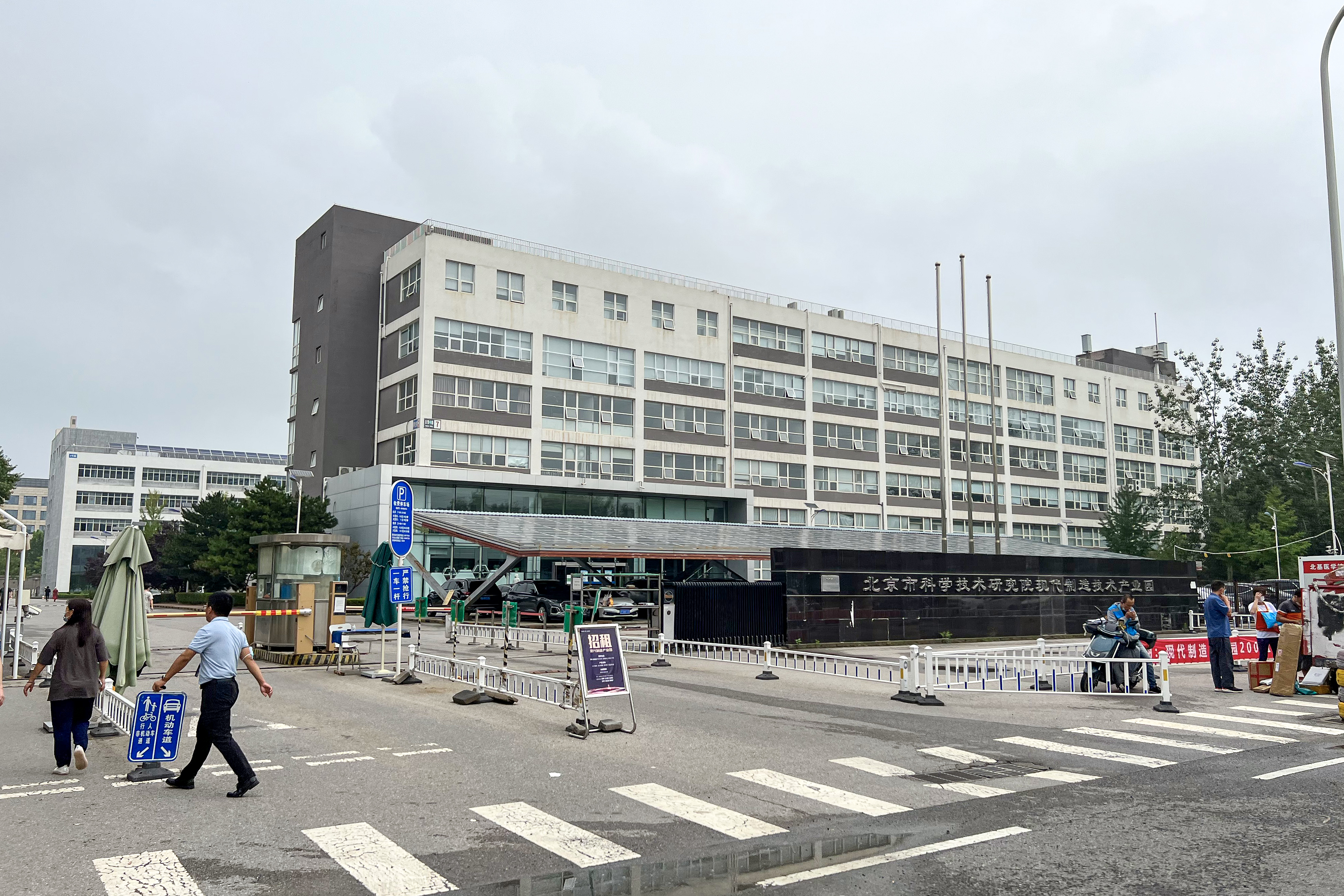
China has begun producing its own immersion deep-ultraviolet (DUV) lithography machines to manufacture semiconductors [1, 2].
This development represents a strategic effort to reduce dependence on foreign technology. Because the Dutch company ASML has long dominated the global market for these critical tools, China's ability to produce them domestically could shield its tech sector from international trade restrictions and supply chain disruptions [2, 4].
The breakthrough, reported July 27, 2024 [1], involves the creation of immersion DUV tools within domestic semiconductor equipment factories [1, 2]. These machines are essential for etching the complex circuits found in modern microchips. By developing this technology internally, China aims to advance its self-sufficiency in advanced chip production [2, 4].
However, the significance of this milestone is a point of contention among industry observers. Some reports suggest the arrival of homegrown DUV machines is a major victory for China's semiconductor ambitions [2]. Other analysts said the breakthrough comes with significant caveats — specifically regarding whether these domestic tools can actually compete with the precision and reliability of ASML's offerings [1, 4].
The push for domestic lithography is largely backed by the Chinese government [1]. The initiative seeks to bypass the technical hurdles that have historically made the Netherlands-based ASML the sole provider of the most advanced chipmaking equipment. While the production of these machines is underway, the transition from a functional prototype to a commercially viable, high-yield manufacturing process remains a steep challenge [1, 4].
“China has begun producing immersion deep-ultraviolet (DUV) lithography machines.”
The move toward domestic DUV production signals a shift in the global semiconductor landscape. While ASML maintains a massive technical lead, China's progress suggests a long-term strategy to decouple its high-tech infrastructure from Western suppliers. If these machines can reach commercial scale, it would diminish the effectiveness of export controls intended to limit China's access to advanced computing power.


'%2F%3E%0A%20%20%20%20%3Crect%20width%3D'1600'%20height%3D'900'%20fill%3D'url(%23v)'%2F%3E%0A%20%20%20%20%3Cg%20opacity%3D'0.08'%20fill%3D'%23ffffff'%3E%0A%20%20%20%20%20%20%3Ccircle%20cx%3D'1420'%20cy%3D'180'%20r%3D'220'%2F%3E%0A%20%20%20%20%20%20%3Ccircle%20cx%3D'1500'%20cy%3D'760'%20r%3D'120'%2F%3E%0A%20%20%20%20%3C%2Fg%3E%0A%20%20%20%20%3Cline%20x1%3D'80'%20y1%3D'172'%20x2%3D'220'%20y2%3D'172'%20stroke%3D'%23ffffff'%20stroke-width%3D'3'%20stroke-opacity%3D'0.6'%2F%3E%0A%20%20%20%20%3Ctext%20x%3D'80'%20y%3D'140'%20font-family%3D'Inter%2C%20-apple-system%2C%20Helvetica%2C%20sans-serif'%20font-weight%3D'700'%20font-size%3D'28'%20fill%3D'%23ffffff'%20letter-spacing%3D'6'%3EHANNA%20%C2%B7%20NEWS%3C%2Ftext%3E%0A%20%20%20%20%3Ctext%20x%3D'80'%20y%3D'230'%20font-family%3D'Inter%2C%20-apple-system%2C%20Helvetica%2C%20sans-serif'%20font-weight%3D'600'%20font-size%3D'40'%20fill%3D'%23ffffffb3'%20letter-spacing%3D'4'%3EBUSINESS%3C%2Ftext%3E%0A%20%20%20%20%3Ctext%20x%3D'80'%20y%3D'694'%20font-family%3D'Playfair%20Display%2C%20Georgia%2C%20serif'%20font-weight%3D'800'%20font-size%3D'110'%20fill%3D'%23ffffff'%20letter-spacing%3D'-1'%3EIndia%20UPI%20User%20Base%20Reaches%3C%2Ftext%3E%3Ctext%20x%3D'80'%20y%3D'820'%20font-family%3D'Playfair%20Display%2C%20Georgia%2C%20serif'%20font-weight%3D'800'%20font-size%3D'110'%20fill%3D'%23ffffff'%20letter-spacing%3D'-1'%3E55.49%20Crore%20by%20June%202026%3C%2Ftext%3E%0A%20%20%20%20%3Ctext%20x%3D'80'%20y%3D'870'%20font-family%3D'Inter%2C%20-apple-system%2C%20Helvetica%2C%20sans-serif'%20font-weight%3D'500'%20font-size%3D'22'%20fill%3D'%23ffffff66'%20letter-spacing%3D'2'%3Enews.hanna-ai.com%3C%2Ftext%3E%0A%20%20%3C%2Fsvg%3E)