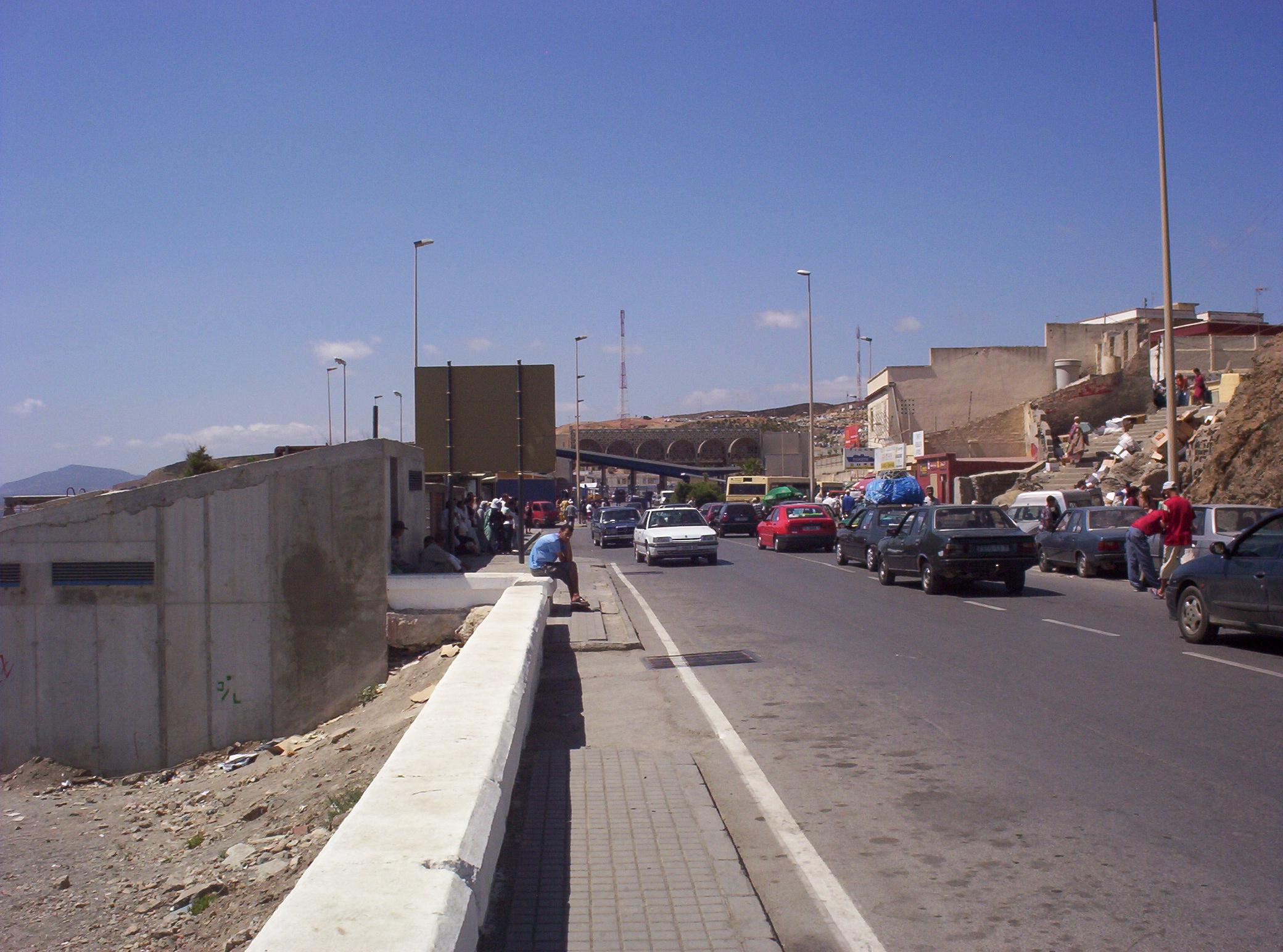
Ceuta is recovering normalcy after days of maximum tension as security forces continue returning migrants to Morocco on Saturday [1].
The situation is critical because the mass pressure at the border has strained diplomatic relations between Spain and Morocco while overwhelming local infrastructure. The crisis underscores the persistent instability of the North African border and the humanitarian risks associated with attempts to enter the European Union [2].
Security operations remained active through the final hours of Aug. 1, with officials focusing on the systematic return of individuals to Moroccan territory [1]. Despite the return to regular activity in the city, the border zone remains a point of high friction. The city continues to deal with a saturation of people both at the frontier and within the Temporary Stay Center for Immigrants (CETI) [1].
The human cost of the recent unrest has been severe. Reports indicate that 67 people died during the migration crisis in Ceuta [2]. These fatalities occurred during repeated assaults on the border fences, where migrants attempted to breach the perimeter to enter the Spanish enclave [1].
Spanish security forces have maintained a heavy presence to prevent further unauthorized entries. The effort to stabilize the region involves a combination of physical barriers and coordinated returns, though the volume of people seeking entry has created a persistent logistical challenge for the city [1].
Diplomatic tensions between Spain and Morocco have escalated as a result of the crisis [2]. The two nations continue to negotiate the management of the border, but the recurring nature of these assaults suggests a fragile equilibrium. For now, the primary focus of the Spanish administration remains the maintenance of order, and the processing of those currently held in temporary facilities [1].
“Ceuta is recovering normalcy after days of maximum tension”
The recurrence of mass border assaults in Ceuta highlights the fragility of the migration agreements between Spain and Morocco. The high death toll and the saturation of the CETI facility suggest that current deterrence and processing mechanisms are struggling to keep pace with the volume of migrants attempting to enter the EU, likely intensifying the diplomatic pressure on both governments to find a sustainable long-term solution.

