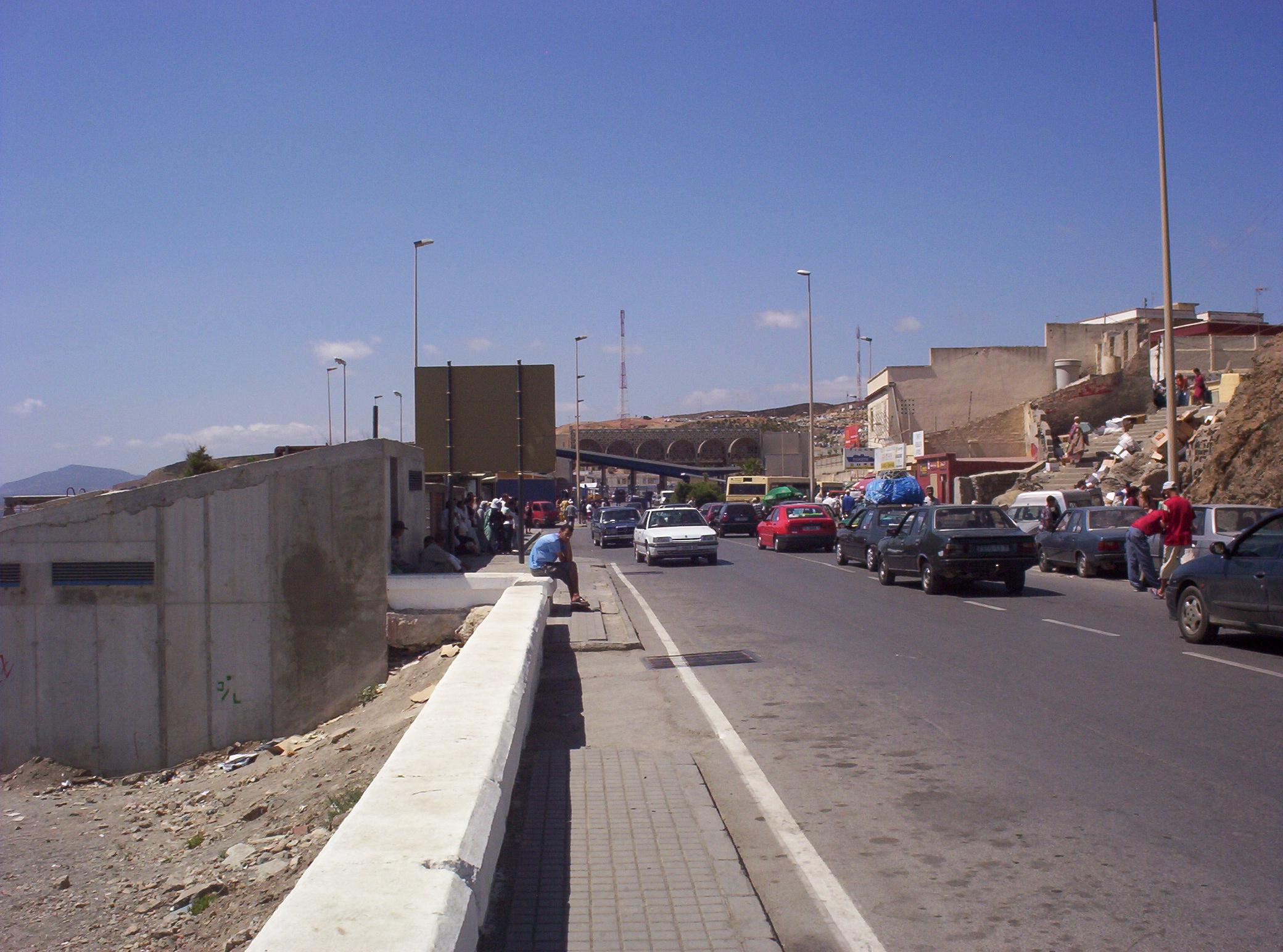
Most of the 60,000 migrants who surged into the Spanish enclave of Ceuta have walked back into Morocco [1].
The mass movement highlights the extreme volatility of the border between Spain and Morocco, where sudden breaches can overwhelm local infrastructure and lead to significant loss of life.
Spanish officials said that a majority of the migrants returned voluntarily by Sunday of the week following the crossing [1, 2]. Spain's Interior Ministry estimated that around 37,500 people had already returned to Morocco [3].
The breach resulted in a chaotic scene at the enclave, a Spanish territory located on the North African coast. The human cost of the surge was severe, with reports on the death toll varying. One report said the death toll rose to 34 [2], while another reported that at least 18 people died [4].
Ceuta authorities and the Interior Ministry managed the aftermath of the crossing as the thousands of individuals moved back across the border. The surge of approximately 60,000 people [1] created an immediate humanitarian and security crisis for the small territory.
Spanish officials said the migrants chose to leave the enclave on their own. No specific motive for the voluntary return was provided in official reports [1, 2].
“Most of the 60,000 migrants who surged into the Spanish enclave of Ceuta have walked back into Morocco.”
The voluntary return of thousands of migrants suggests that the initial surge may have been driven by a temporary breakdown in border controls or a specific catalyst that dissipated quickly. However, the wide discrepancy in reported death tolls and the sheer volume of people involved indicate a systemic failure in border management and a precarious humanitarian situation for those attempting to enter Europe via North Africa.

