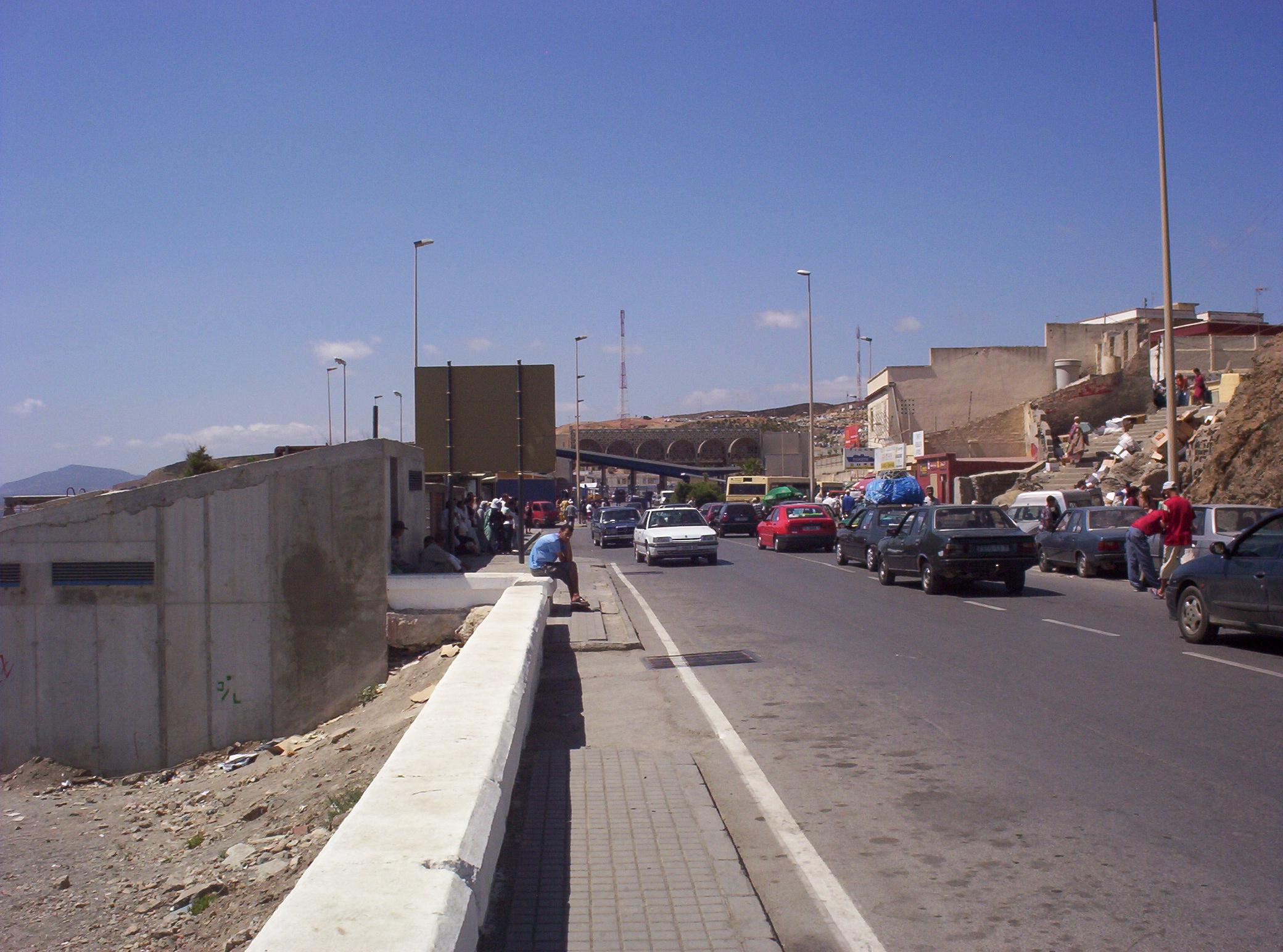
At least 34 people died Friday during a large-scale border breach as thousands of migrants attempted to enter the Spanish enclave of Ceuta [2].
The surge tests the capacity of Spanish reception centers and raises urgent questions regarding the legal obligations of the Refugee Convention during mass migration events.
About 60,000 people attempted to cross from Morocco into the autonomous city on the North African coast [2]. The scale of the movement overwhelmed local authorities and pushed reception centers beyond their operational limits. Spanish officials managed the crisis as crowds gathered at the border fence, seeking entry into Europe due to pressures and conditions within Morocco [1, 2].
Following the breach, Spanish authorities coordinated the return of more than 48,000 migrants to Morocco [1]. The process occurred amid reports of overcrowding and desperation at the border. Officials at the Ceuta reception center struggled to process the volume of arrivals while managing the casualties resulting from the surge [1, 2].
Spanish authorities have not yet released a full accounting of the injuries sustained during the event. The deaths occurred as migrants attempted to bypass border security and navigate the high-pressure environment of the breach [2].
Ceuta remains a primary flashpoint for migration between Africa and Europe. The city's unique position as a Spanish territory on the mainland of Morocco often leads to diplomatic tensions over border security, and the treatment of asylum seekers [1, 2].
“At least 34 people died Friday during a large-scale border breach”
This event highlights the precarious balance between national border security and international humanitarian law. The mass return of thousands of people to Morocco may trigger legal scrutiny over the principle of non-refoulement, which prohibits returning refugees to places where they face danger, particularly when reception infrastructures are unable to process asylum claims during a crisis.


