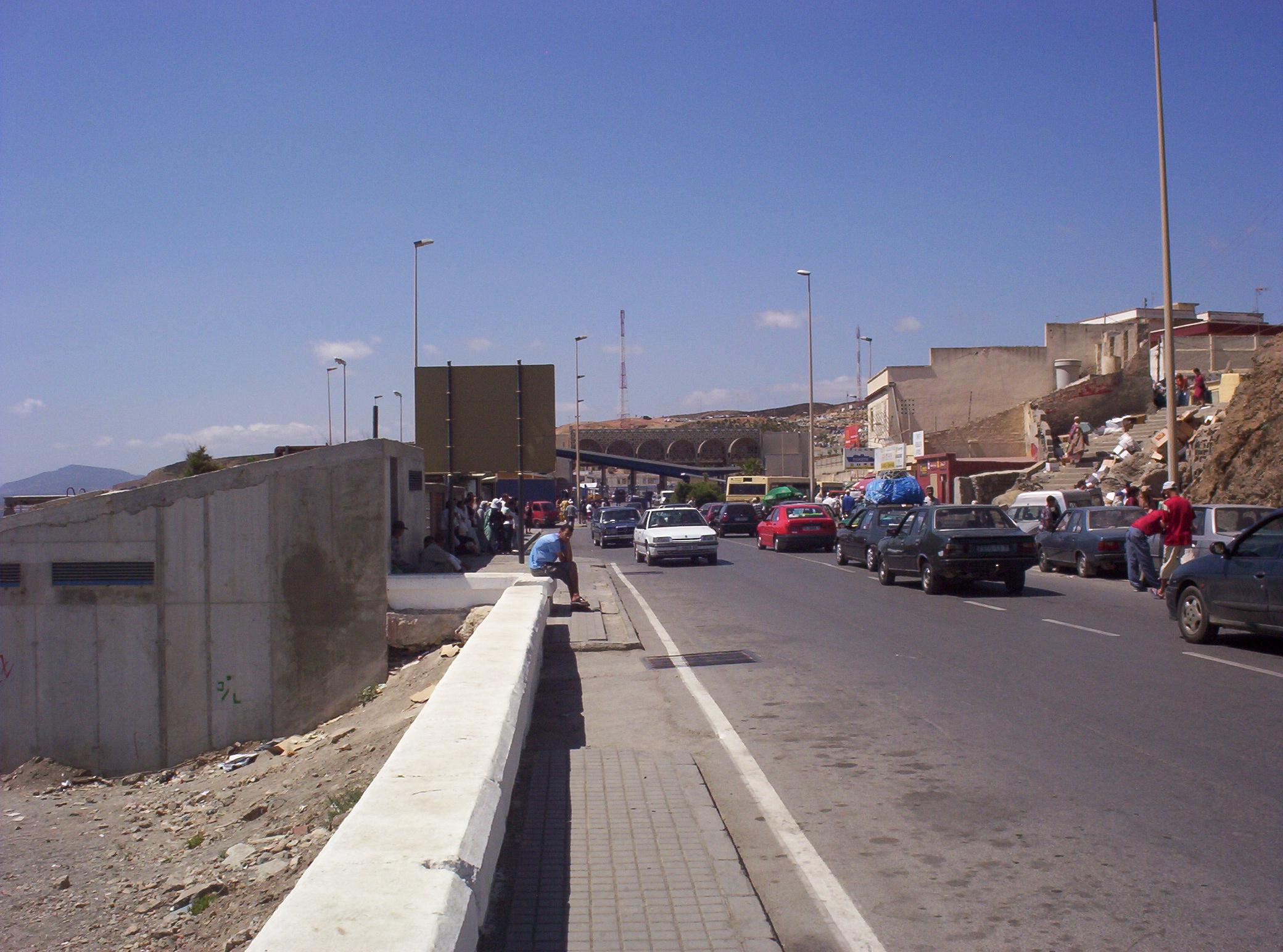
Most migrants who breached the border into the Spanish enclave of Ceuta have voluntarily returned to Morocco [1].
The mass movement highlights the extreme volatility of the North African border and the humanitarian risks associated with large-scale irregular migration attempts.
On Thursday, July 30, 2026, a massive rush occurred as people crossed from Morocco into Ceuta [2]. Reports on the scale of the breach vary, with some sources saying about 60,000 migrants arrived in 24 hours [3], while others estimate the number between 50,000 and 60,000 [4].
The crossing was marked by absolute chaos and dangerous conditions [2]. The human cost was significant, though reports on the death toll differ across agencies. Reuters said at least 72 died [1], while other sources cited 67 [4] or as few as nine [2].
Spanish and Moroccan authorities responded by deploying security forces and establishing a sea barrier to halt the flow [1]. These measures, combined with the perilous conditions of the rush, led many of the migrants to leave the enclave. By July 31, 2026, the majority of those who had entered had returned to Moroccan territory [1].
Ceuta is a Spanish enclave located on the North African coast. Because it is a territory of the European Union bordering Morocco, it remains a primary focal point for those attempting to enter Europe from Africa [1].
“Most migrants who breached the border into the Spanish enclave of Ceuta have voluntarily returned to Morocco.”
This event underscores the ongoing tension between border security and humanitarian crises in the Mediterranean region. The rapid influx and subsequent voluntary return of thousands of people demonstrate how quickly geopolitical stability in the enclave can be disrupted, while the wide discrepancy in reported death tolls suggests significant challenges in casualty tracking during mass-border breaches.

'%2F%3E%0A%20%20%20%20%3Crect%20width%3D'1600'%20height%3D'900'%20fill%3D'url(%23v)'%2F%3E%0A%20%20%20%20%3Cg%20opacity%3D'0.08'%20fill%3D'%23ffffff'%3E%0A%20%20%20%20%20%20%3Ccircle%20cx%3D'1420'%20cy%3D'180'%20r%3D'220'%2F%3E%0A%20%20%20%20%20%20%3Ccircle%20cx%3D'1500'%20cy%3D'760'%20r%3D'120'%2F%3E%0A%20%20%20%20%3C%2Fg%3E%0A%20%20%20%20%3Cline%20x1%3D'80'%20y1%3D'172'%20x2%3D'220'%20y2%3D'172'%20stroke%3D'%23ffffff'%20stroke-width%3D'3'%20stroke-opacity%3D'0.6'%2F%3E%0A%20%20%20%20%3Ctext%20x%3D'80'%20y%3D'140'%20font-family%3D'Inter%2C%20-apple-system%2C%20Helvetica%2C%20sans-serif'%20font-weight%3D'700'%20font-size%3D'28'%20fill%3D'%23ffffff'%20letter-spacing%3D'6'%3EHANNA%20%C2%B7%20NEWS%3C%2Ftext%3E%0A%20%20%20%20%3Ctext%20x%3D'80'%20y%3D'230'%20font-family%3D'Inter%2C%20-apple-system%2C%20Helvetica%2C%20sans-serif'%20font-weight%3D'600'%20font-size%3D'40'%20fill%3D'%23ffffffb3'%20letter-spacing%3D'4'%3EWORLD%3C%2Ftext%3E%0A%20%20%20%20%3Ctext%20x%3D'80'%20y%3D'622'%20font-family%3D'Playfair%20Display%2C%20Georgia%2C%20serif'%20font-weight%3D'800'%20font-size%3D'86'%20fill%3D'%23ffffff'%20letter-spacing%3D'-1'%3EFormer%20Liberal%20staffers%3C%2Ftext%3E%3Ctext%20x%3D'80'%20y%3D'721'%20font-family%3D'Playfair%20Display%2C%20Georgia%2C%20serif'%20font-weight%3D'800'%20font-size%3D'86'%20fill%3D'%23ffffff'%20letter-spacing%3D'-1'%3Eadvising%20One%20Nation%20on%20state%3C%2Ftext%3E%3Ctext%20x%3D'80'%20y%3D'820'%20font-family%3D'Playfair%20Display%2C%20Georgia%2C%20serif'%20font-weight%3D'800'%20font-size%3D'86'%20fill%3D'%23ffffff'%20letter-spacing%3D'-1'%3Eelections%3C%2Ftext%3E%0A%20%20%20%20%3Ctext%20x%3D'80'%20y%3D'870'%20font-family%3D'Inter%2C%20-apple-system%2C%20Helvetica%2C%20sans-serif'%20font-weight%3D'500'%20font-size%3D'22'%20fill%3D'%23ffffff66'%20letter-spacing%3D'2'%3Enews.hanna-ai.com%3C%2Ftext%3E%0A%20%20%3C%2Fsvg%3E)
