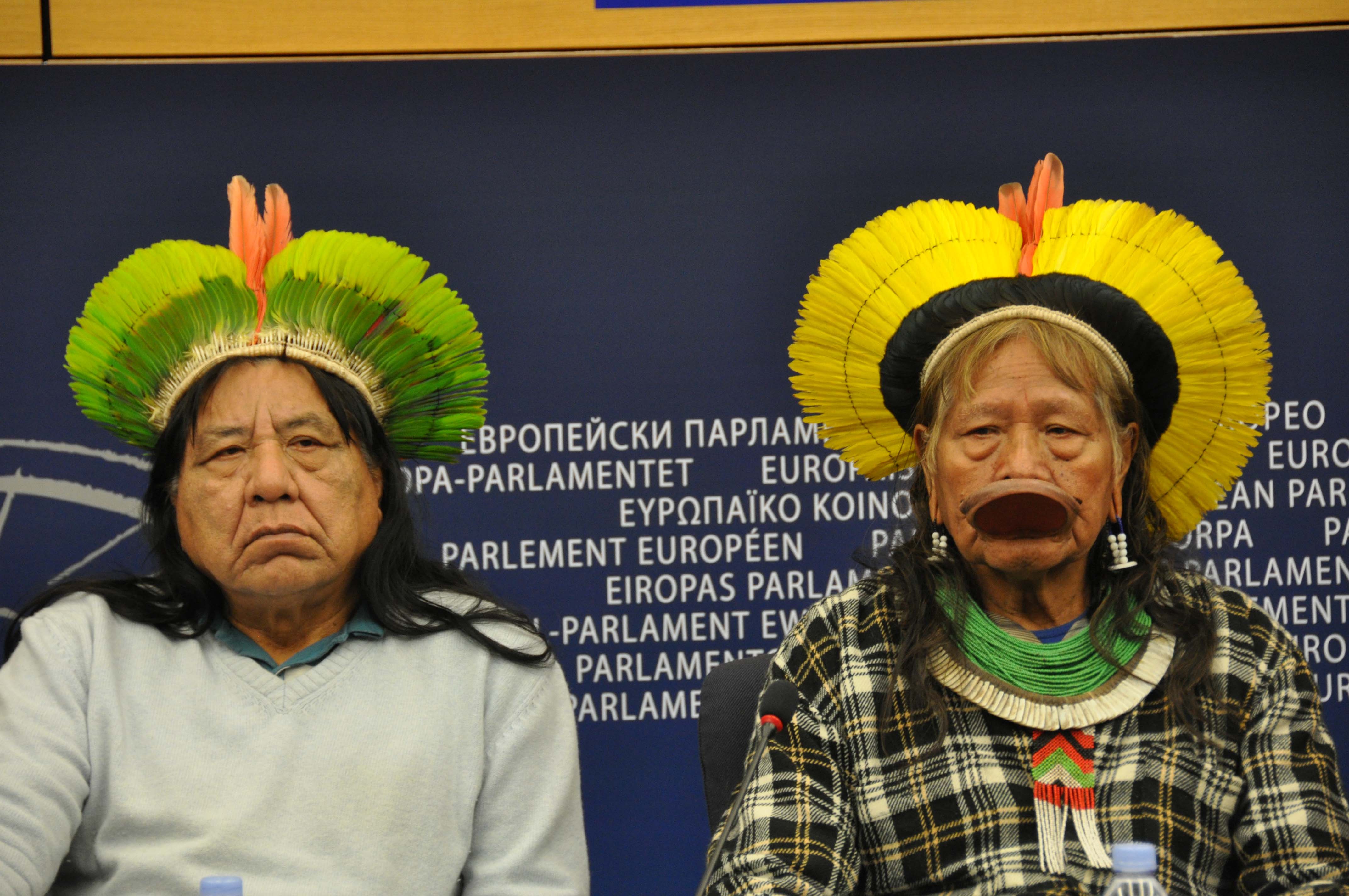
Cacique Raoni Metuktire is recovering in an intensive care unit after undergoing surgery for intestinal obstruction on June 20, 2026 [2, 3].
As one of the world's most prominent advocates for the Amazon rainforest and indigenous rights, Raoni's health is a matter of international concern for environmental movements.
The 94-year-old leader [1] was transferred to São Paulo on Friday, June 19, 2026 [3], after his condition worsened in Mato Grosso. Medical reports indicate he was suffering from both pneumonia and a gastric obstruction that required surgical intervention [1, 3].
Raoni is currently being treated at the Hospital São Paulo, part of the Federal University of São Paulo (Unifesp) [2, 4]. While some reports initially described his state as grave, the hospital's official medical bulletins indicate a positive clinical trajectory.
According to a medical bulletin from Hospital São Paulo, the leader is conscious and responsive to the medical team [5]. The report said, "He is afebrile, breathing ambient air, conscious and responding to the requests of the medical team" [5].
He remains in the intensive care unit for monitoring as he recovers from the procedure [2, 3]. The surgery was specifically aimed at the desobstruction of the intestine to resolve the complications that led to his transfer from the interior of Brazil to the capital of São Paulo [2].
“He is afebrile, breathing ambient air, conscious and responding to the requests of the medical team.”
The hospitalization of Cacique Raoni highlights the precarious healthcare access for indigenous leaders in remote regions like Mato Grosso, where severe complications often necessitate emergency transfers to urban centers. His recovery is critical not only for the Kayapó people but for the global diplomatic pressure he maintains on the Brazilian government to protect indigenous lands from illegal mining and deforestation.