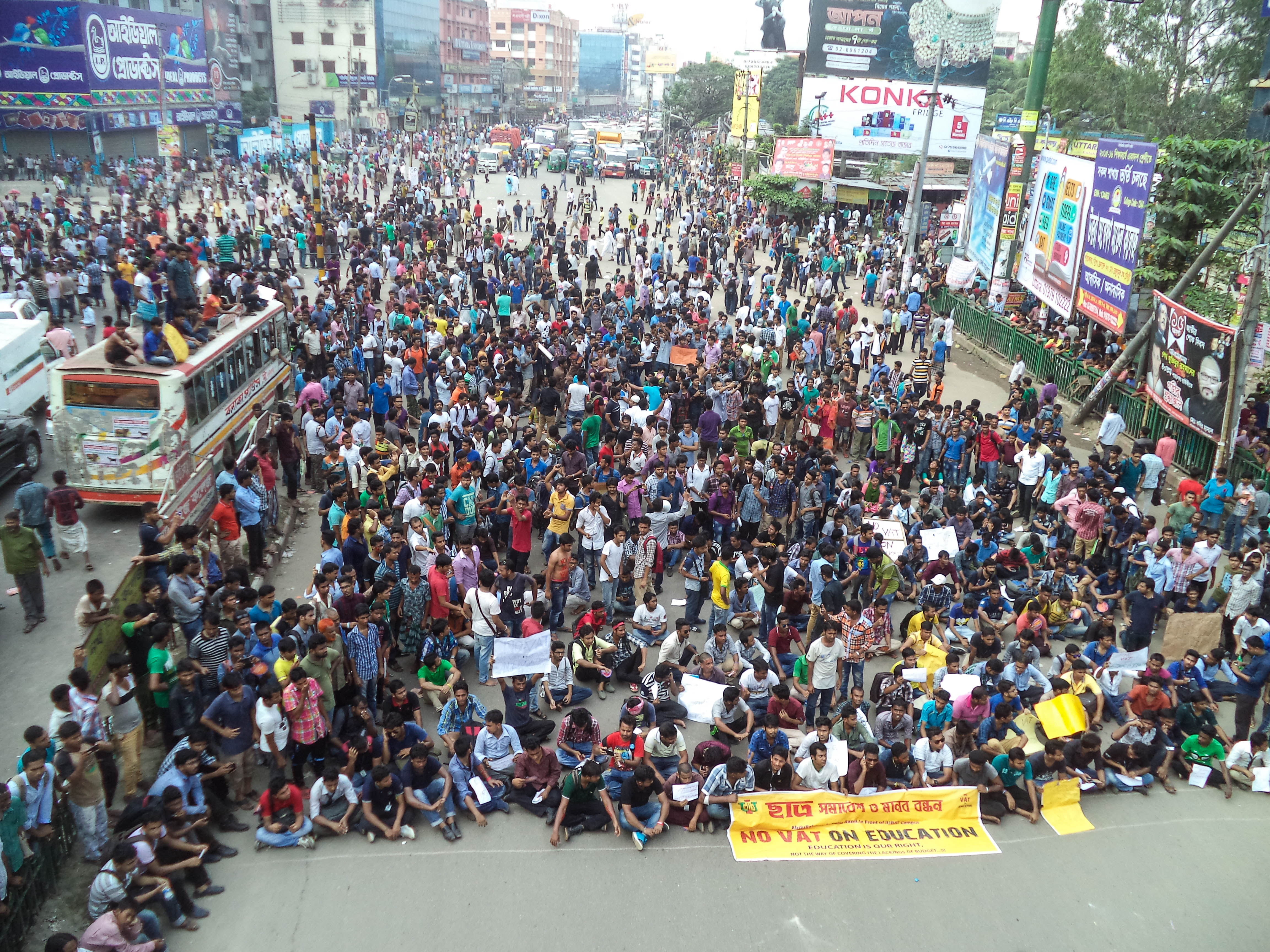
Bangladesh authorities placed the country on high alert this week to prevent possible unrest surrounding the founding anniversary of the Awami League [1].
This security mobilization reflects the government's effort to maintain stability amid intelligence suggesting that supporters of the banned political party might attempt to create instability [1], [5]. The move highlights the ongoing tension between the current administration and the remnants of the previous political order.
Home Minister Salahuddin Ahmed and Police Headquarters issued the directives from Dhaka to be implemented throughout the country [1], [3]. The alert was issued on Saturday to prepare for the anniversary occurring on June 23 [1], [5].
There are conflicting reports regarding the severity of the risk. Some reports indicate a nationwide security alert was issued due to fears of unrest [1], [2]. However, other officials said there is no specific security threat but noted that security forces remain on guard [3], [5].
SN Md Nazrul Islam, the DMP Additional Commissioner, confirmed the vigilance of the police force. "June 23 marks the founding anniversary of a political party. We remain vigilant in this regard," Islam said [4].
The Awami League is currently described as either banned or disbanded [1], [3]. The government's decision to increase police presence is intended to preempt clashes that typically coincide with the party's founding date [3].
Police Headquarters and the Dhaka Metropolitan Police are coordinating the response to ensure that any attempts to organize illegal gatherings are neutralized before they can escalate into wider violence [2], [3].
“Bangladesh authorities placed the country on high alert this week to prevent possible unrest.”
The high-alert status demonstrates the fragile nature of the current political climate in Bangladesh. By preemptively deploying security forces around the June 23 anniversary, the government is signaling a zero-tolerance policy toward the activities of the banned Awami League, prioritizing state stability over the political expression of the former ruling party.


